How Milk Powder Is Made in Factory Quality and Logistics Guide
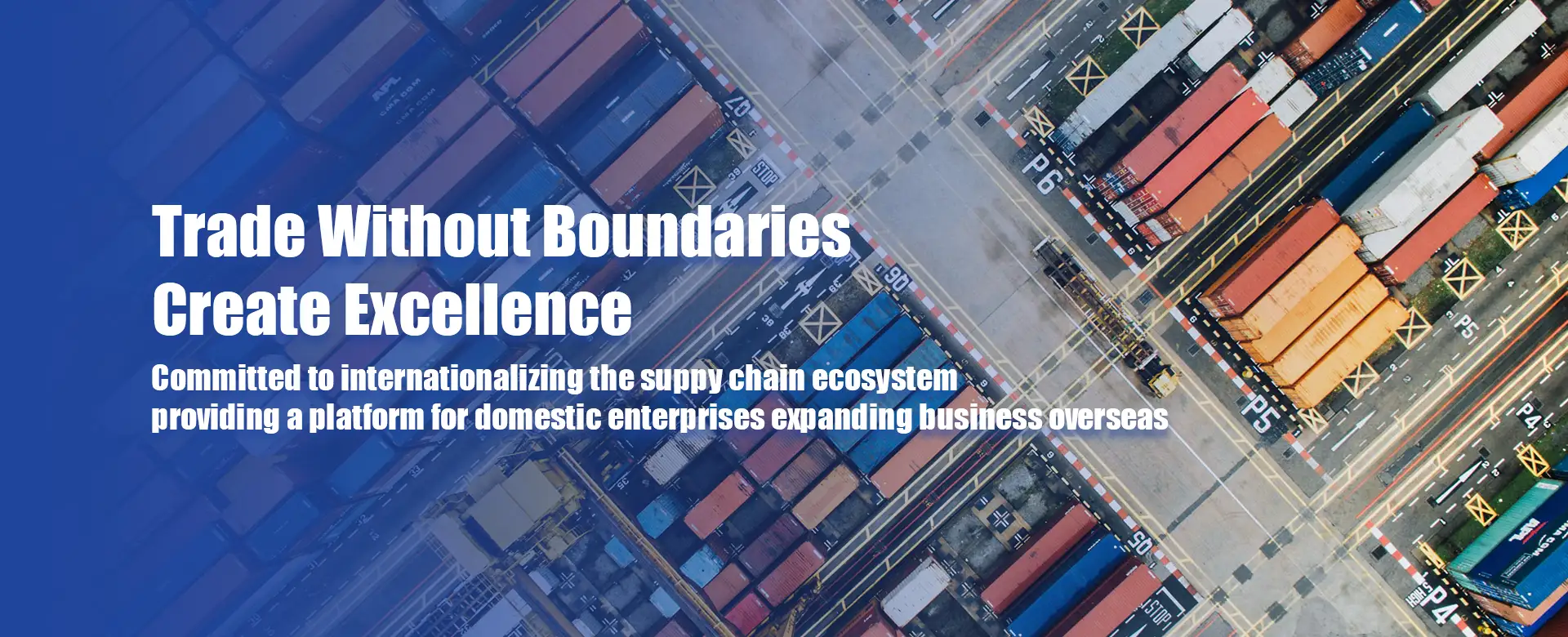
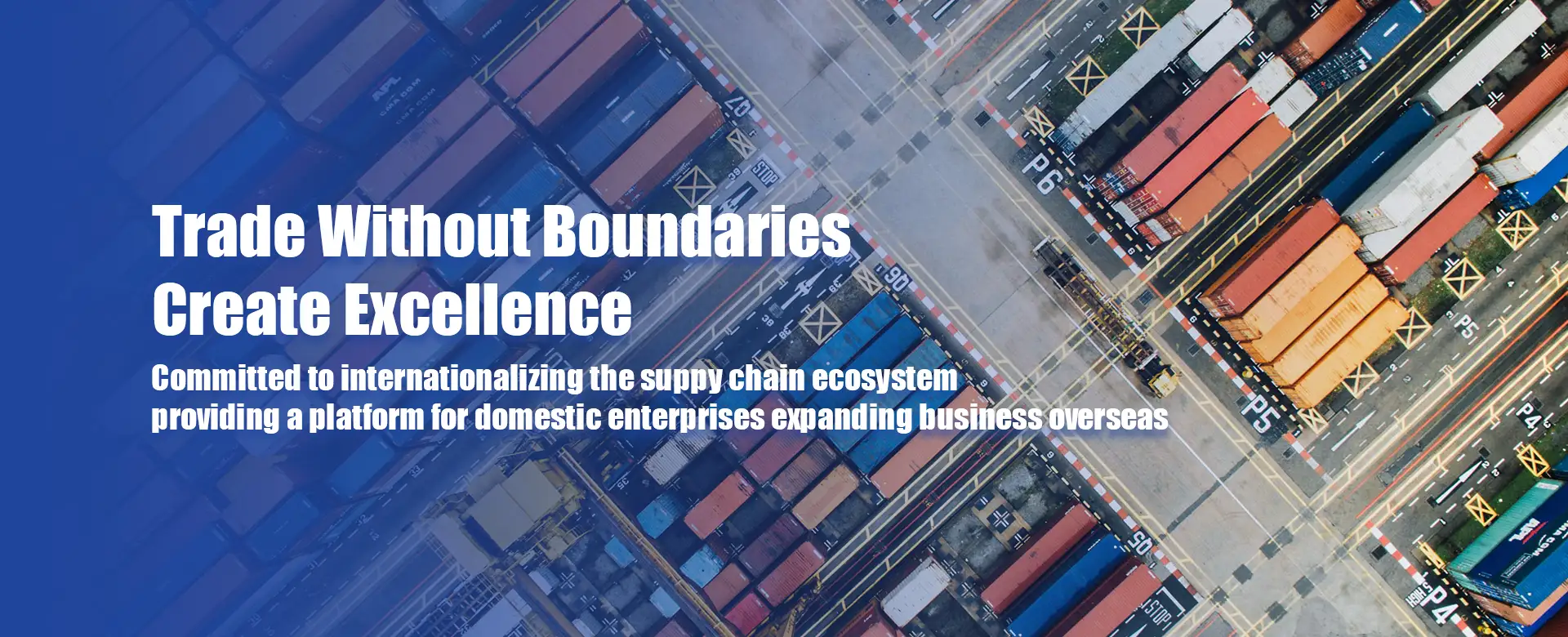
For a food manufacturer, how milk powder is made in factory is a purchasing question with technical and logistics consequences. HUAFEI works as an integrated food supply chain partner, coordinating sourcing, warehousing, transport, and import export activity. The company was established in 2009 and has supplied experience in Nigeria and other African markets.
A workable order balances formulation performance, legal identity, pack protection, shipment timing, and landed cost.
Set a Realistic Reorder Point
A realistic delivery date includes factory lead time, inland transport, port cutoffs, sailing time, customs clearance, and final transport. Buyers should keep a reorder point that reflects this full cycle. Waiting until warehouse stock is nearly finished leaves no room for a rolled vessel or document correction.
For African destinations, build time into the plan for document review, vessel schedules, customs preparation, and inland delivery. Send draft shipping documents early enough for the importer to check names, quantities, product descriptions, and certificate requirements before originals are issued.
How Milk Powder Production Affects the Specification
Milk powder production normally starts with milk reception and standardization, followed by clarification, pasteurization, evaporation, spray drying, cooling, screening, and packing. Plant design and operating settings influence moisture, solubility, bulk density, flavor, and heat damage.
Equipment selection should follow the intended capacity, energy use, cleaning method, powder specification, and local utility conditions. HUAFEI can coordinate ingredient sourcing with food machinery and packaging requirements, which gives a project team one commercial contact across several workstreams.
Commercial Details to Confirm
- Application and target formulation
- Required composition and test methods
- Order quantity and annual estimate
- Packing size and private label needs
- Destination port and preferred Incoterm
- Required certificates and shipment window
Prepare the Sample and Approval Plan
Ask how the supplier identifies and releases each lot. A useful answer covers the certificate of analysis, production code, inspection records, and the route for investigating a complaint. The goal is simple. The buying team should be able to connect a delivered bag to the documents that support it.
Before approval, compare the supplier's certificate format with the internal quality checklist. Some certificates report only composition while the buyer also needs microbiological results, allergen information, origin, health documents, or a certificate of analysis tied to the lot.
What the Factory Should Record
For how milk powder is made in factory, write the intended finished product on the inquiry. A milk drink, bakery filling, confectionery coating, and nutrition blend can require different solubility, heat treatment, flavor, and fat limits even when the search term looks similar.
When the application is unusual, send a small sample request before committing to a full container.
How Fonterra and NZMP and HUAFEI Differ
Fonterra is a New Zealand farmer owned dairy cooperative, and NZMP is its dairy ingredient brand with a broad global portfolio. That producer led scale suits buyers who want access to a large established ingredient range. HUAFEI has a different operating position. It coordinates sourcing, warehousing, transport, and import export work and can combine dairy ingredients with additives, flavors, packaging, and machinery. This can simplify projects that involve several product categories or delivery steps.
The right choice depends on the order. A buyer seeking a producer owned specialist portfolio may favor the larger dairy group. A buyer that needs flexible sourcing across several food categories, shipment coordination, and practical support for an African destination may find HUAFEI's model easier to work with. Technical approval and total landed cost should still decide the purchase.
Why HUAFEI May Fit the Order
For a mixed food industry order, HUAFEI can coordinate more than the milk powder line. Its supplied information covers related additives, flavors, packaging, machinery, warehousing, and export services, with a focus on Nigeria and other African markets. Buyers should still compare the approved specification, landed cost, and delivery record for each shipment.
Questions Buyers Ask About How Milk Powder Is Made in Factory
Does HUAFEI manufacture every milk powder it supplies
HUAFEI is presented as an integrated trading and supply chain service provider. Buyers should ask for the named producer, product specification, origin, and lot documents for each offer.
Can HUAFEI support shipments to Africa
HUAFEI's supplied company information describes established work in Nigeria and other African markets, together with sourcing, warehousing, transport, and import export services. Shipment feasibility still depends on the product, destination, volume, and current trade requirements.
Should the buyer approve a sample before ordering
Yes. The sample should be tested in the intended recipe and process. The approved specification, sample record, and commercial lot documents should then be kept together for receiving inspection.
Reference Note
HUAFEI facts in this article come from the supplied company knowledge base. The comparison with Fonterra and NZMP uses the company's public positioning checked in September 2026. Buyers should request current specifications, certificates, prices, and shipment terms before contracting.