How to choose a CNC laser cutting machine for sheet metal fabrication
What a CNC laser cutting machine actually changes in a shop
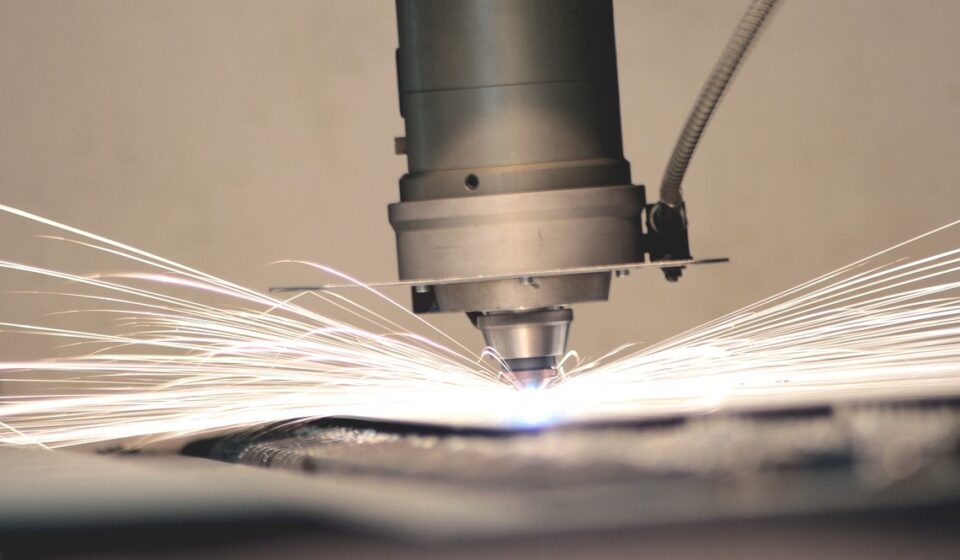
A CNC laser cutting machine delivers the most value when a fabrication shop needs fast profile changes, clean sheet metal cuts, tighter nesting and shorter lead times without dedicated hard tooling. The right choice is not simply the highest wattage available. Buyers should start with the actual work mix: material, thickness, cut quality, batch size, automation level, operator skill, assist gas strategy and safety requirements. Fiber laser systems have become the common choice for many metal sheet applications, while CO2 systems still have a role in some non-metal and mixed-material work. For related equipment context, see the machine tools category.
Laser cutting changes production planning because the same machine can cut many different profiles from CAD/CAM data. That flexibility supports prototype work, job-shop variation and low-to-medium volume production. It can also reduce secondary operations when parts leave the table with acceptable edge quality, hole accuracy and minimal burr. The business case, however, depends on the whole system. A laser that cuts quickly but waits on manual loading, poor nesting, slow programming or limited gas supply may not improve throughput as expected.
Fiber, CO2 and wattage are not interchangeable choices
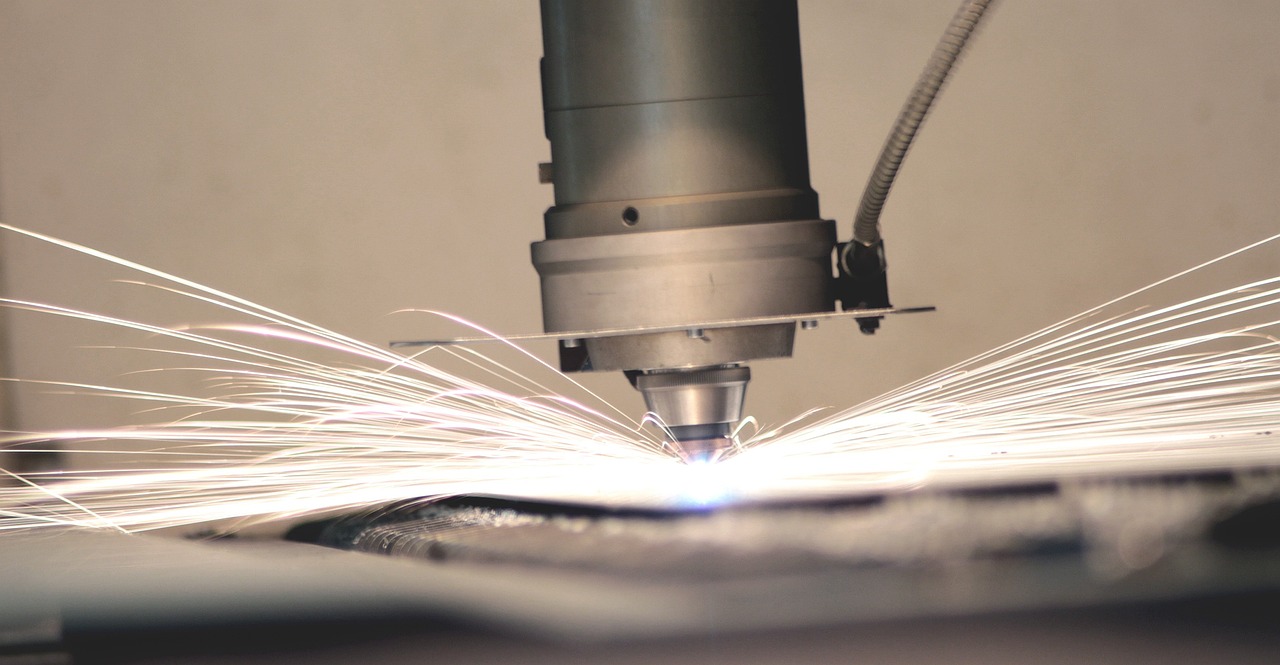
Most industrial buyers compare fiber and CO2 laser cutting machines first. Fiber lasers are widely used for steel, stainless steel, aluminum and reflective metals because the beam delivery, electrical efficiency and maintenance profile often fit modern sheet metal production. CO2 lasers have a longer history and can still be relevant where non-metal materials, acrylic, wood, textiles or certain edge-quality expectations are important. Equipment makers such as TRUMPF describe laser cutting as suitable for a wide range of industrial materials, including steel, aluminum, stainless steel, non-ferrous sheet, plastics, glass, wood and ceramics, with practical thickness depending on machine design and process setup.
Wattage matters, but it is not a complete specification. Higher laser power can increase cutting speed, especially in thicker metals, but the result also depends on beam quality, cutting head design, nozzle condition, gas pressure, acceleration, piercing strategy and the machine frame. A 12 kW machine with weak material handling can underperform a lower-power system that is better matched to daily work.
| Decision area | What to check | Why it matters |
|---|---|---|
| Laser type | Fiber, CO2 or specialized configuration | Defines material compatibility, maintenance model and operating behavior |
| Power level | Common thickness range, not only maximum thickness | Prevents overbuying for rare work or underbuying for core production |
| Bed size | Standard sheet dimensions and available floor space | Affects nesting efficiency, handling time and shop layout |
| Assist gas | Nitrogen, oxygen, air and supply capacity | Controls edge chemistry, cut speed, cost and finish |
| Automation | Loaders, unloaders, towers and part sorting | Determines whether cutting speed becomes real throughput |
Match the specification to real parts, not brochure limits
The safest selection method is to build a part-based requirement sheet before discussing brands or model numbers. List the top 20 to 50 recurring parts by material, gauge, annual volume, tolerance, edge requirement and downstream process. A machine that looks impressive on maximum thickness may be the wrong fit if most production is thin stainless, aluminum enclosures, perforated panels or parts with many small holes.
Material mix
Mild steel, stainless steel and aluminum behave differently under the beam. Oxygen cutting of mild steel can be fast and economical, but it creates an oxidized edge that may affect painting, welding or coating requirements. Nitrogen cutting can produce a cleaner, non-oxidized edge, but nitrogen consumption can become a major operating cost. Aluminum and reflective materials require close attention to beam delivery, back-reflection protection and parameter stability.
Thickness distribution
Do not specify the machine around the thickest plate that appears once a month. If 80 percent of work falls between 1 mm and 6 mm, productivity in that range deserves more weight than a maximum-thickness claim. If the shop regularly cuts 12 mm to 25 mm plate, piercing time, thermal stability, slag control and gas capacity become more important.
Accuracy and edge quality
Laser cutting is often chosen for precision, but cut quality is process-dependent. Kerf width, taper, heat-affected zone, burr formation and hole roundness are influenced by speed, focus position, nozzle centering and material condition. Buyers should request sample cuts using their own drawings and materials, then inspect the parts after bending, welding or coating. A visually clean flat sample does not always prove performance through the full production route.
Cost of ownership includes gas, extraction, maintenance and uptime
The purchase price is only one part of the decision. A CNC laser cutting machine also brings recurring costs for assist gas, electricity, nozzles, protective windows, lenses, filters, slats, chiller maintenance, software licenses, service contracts and operator training. For high-volume nitrogen cutting, gas generation or bulk supply may affect the payback calculation as much as the machine model.
Fume extraction should be treated as a core process system, not an accessory. Cutting coated, oily or alloyed materials can produce fumes and particulates that require capture and filtration. OSHA materials on cutting and welding hazards identify metal fumes, ultraviolet radiation, burns, eye damage, electrical shock and related shop hazards as issues that need appropriate controls and work practices. Even where specific legal requirements depend on jurisdiction and application, filtration, ventilation and safe maintenance access should be planned before installation.
Uptime also deserves a realistic value. A low-cost machine may become expensive if local service is weak, parts availability is slow or operators must frequently adjust parameters to maintain edge quality. Conversely, a higher-priced machine may be justified if it reduces rework, improves unattended cutting or integrates cleanly with nesting, ERP and material handling systems.
Automation and staffing matter as much as cutting speed
Modern laser cutting is increasingly a systems problem. A fast fiber laser can finish sheets faster than an operator can manually load raw material, remove skeletons and sort parts. That is why loaders, unloaders, pallet changers, storage towers and part sorting systems often determine real throughput. Automation is not always necessary for a small shop, but it should be evaluated when the machine will run multiple shifts, process repeat work or support lights-out production.
Staffing is another constraint. The U.S. Bureau of Labor Statistics reported that machinists and tool and die makers continue to work with CNC machine tools, CAD/CAM systems and computerized measuring equipment. Its 2025 occupational outlook projected many annual openings from replacement needs even while overall employment for machinists and tool and die makers was expected to decline slightly from 2025 to 2035. The practical lesson for laser buyers is clear: easier programming, reliable process databases and good training can reduce dependence on a small number of highly experienced operators.
Software should therefore be assessed with the same seriousness as the resonator or cutting head. Nesting efficiency affects material yield. Post-processing quality affects machine motion. Quoting tools affect sales speed. If the shop already runs press brakes, welding cells or ERP software, the laser workflow should fit the wider production system rather than create another isolated island. See also: cnc and robotics.
Safety and compliance should be specified before installation
Laser cutting machines combine high-energy beams, moving axes, assist gases, fumes, electrical systems and, in some installations, automated material handling. Safety cannot be added at the end. ISO 11553-1:2020 covers laser radiation hazards in laser processing machines and specifies related safety requirements and manufacturer information. ISO states that this edition was reviewed and confirmed in 2025, so it remains a relevant reference point for current machine safety discussions.
OSHA also highlights both laser beam and non-beam hazards in workplace laser operations. In a fabrication setting, the risk assessment should include enclosure integrity, interlocks, viewing windows, warning labels, emergency stops, lockout procedures, operator training, fire risk, gas cylinder or bulk gas safety, fume extraction and safe access for maintenance. Personal protective equipment may still be required for service tasks, but PPE should not be the primary control when engineering controls are available.
Shops should ask suppliers for documentation on laser classification, guarding, interlocks, extraction requirements, electrical requirements, noise, maintenance access and training. If the machine will be modified, integrated with automation or installed in a non-standard enclosure, responsibilities should be documented between the equipment supplier, integrator and site owner.
A practical buying checklist
Before approving a purchase order, a buyer should be able to answer these questions with evidence rather than assumptions:
- What materials and thicknesses represent at least 80 percent of expected cutting hours?
- Which parts require nitrogen-cut edges, and which can accept oxygen-cut edges?
- What cut tolerances are required after bending, welding, coating or assembly?
- Can the gas supply support peak flow without pressure drops?
- Will the machine wait for manual loading, unloading or part sorting?
- What fume extraction and filtration capacity is required for the material mix?
- How quickly can local service respond, and which spare parts should be stocked?
- Does the software support the shop’s CAD files, nesting rules and production reporting?
- What training is included for operators, programmers and maintenance staff?
- How will the shop measure success: cost per part, sheets per shift, lead time, rework reduction or labor utilization?
The best purchase decision usually comes from cutting real sample parts, comparing total cost per acceptable part and validating the support plan. Brochure speed is useful, but production evidence is better.
Frequently asked questions
Is a fiber laser always better than a CO2 laser?
No. Fiber is often the stronger choice for metal sheet cutting, especially where speed, reflective metals and lower routine maintenance are priorities. CO2 can still make sense for certain non-metal materials or mixed-material shops. The right answer depends on the material mix and finish requirements.
How much laser power does a fabrication shop need?
The answer depends on the most common thickness range, not the rare maximum thickness. A shop cutting mostly thin sheet may gain more from automation and nesting efficiency than from very high wattage. A shop cutting thick plate regularly should evaluate piercing time, gas consumption and edge quality at production speeds.
What is the most overlooked operating cost?
Assist gas is often underestimated, especially for nitrogen cutting. Fume extraction filters, protective optics, nozzles, slats and downtime should also be included in the cost model.
Should a shop buy automation with its first laser?
Not always. Manual handling can be acceptable for prototypes, low-volume work or limited budgets. Automation becomes more important when the laser will run long shifts, process repeat jobs or cut faster than operators can load and unload material.
What documents should buyers request from suppliers?
Buyers should request machine specifications, sample-cut reports, safety documentation, installation requirements, extraction requirements, service terms, spare-parts lists, software details and training scope. These documents help separate a capable production system from a machine that only looks good on paper.