How to choose a drill machine for home projects
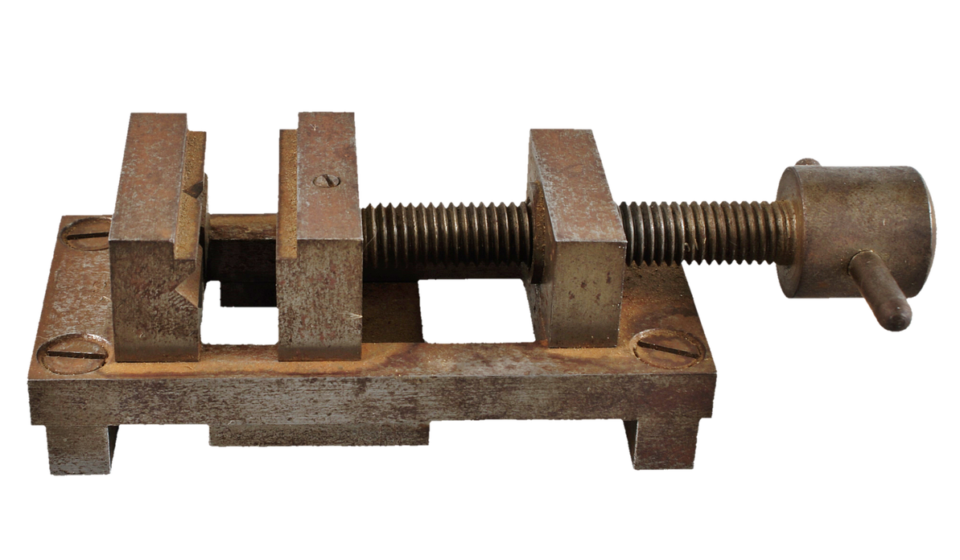
What a drill machine for home should do
A drill machine for home projects should fit the material, hole size, work location and level of control the job requires. For most household repair, furniture assembly, cabinet hardware, shelving, light woodworking and occasional metal drilling, a cordless drill/driver is usually the most practical starting point. If you often drill into masonry, a hammer drill adds the impact action needed for brick and block. If you need repeatable vertical holes in small parts, a compact bench drill press will usually give better accuracy than a hand-held tool.
The right choice is not the largest drill on the shelf. It is the tool that provides enough torque, usable speed control, secure bit holding and safe handling for the work you actually do. For broader tool context, see the machine tools category.

The term drill machine is used differently across markets. In home workshops, it often means a portable electric drill. In manufacturing and metalworking, it may refer to a drill press or drilling machine. This guide focuses on household selection, while also covering the point where a bench drill press becomes more sensible than a hand drill.
Match the drill type to the job
The first decision is not brand or voltage; it is tool type. A drill/driver, hammer drill, impact driver and drill press may look similar, but they are designed for different tasks.
| Tool type | What it is good for | Where it is limited |
|---|---|---|
| Cordless drill/driver | General drilling in wood, plastic, thin metal and driving screws | Limited runtime and lower continuous power than many corded tools |
| Corded drill | Long drilling sessions, heavier mixing or work where an outlet is close | Less convenient in outdoor or remote areas; cord management matters |
| Hammer drill | Occasional drilling in brick, block and light masonry | Not the same as a rotary hammer for heavy concrete work |
| Impact driver | Driving screws, bolts and long fasteners efficiently | Less suitable for clean, precise holes; usually not the first drill for home use |
| Bench drill press | Repeatable, straight holes in wood, plastic and metal workpieces | Stationary; not useful for drilling walls, installed cabinets or overhead locations |
A cordless drill/driver is the practical default for a first home drill because it can drill holes and drive fasteners with clutch control. A corded drill is worth considering if most work happens near an outlet and uninterrupted runtime matters more than portability. A hammer drill becomes useful when wall plugs must go into brick or block rather than drywall or timber framing. An impact driver is valuable as a second tool when screw-driving volume increases, but it should not be treated as a precision drilling tool.
Choose power and control instead of chasing one number
Voltage, amperage and torque are useful indicators, but they do not tell the whole story. A compact cordless drill may be easier and safer for overhead cabinet work than a heavier high-torque model. For home use, balance and control often matter more than maximum output. Pick up the tool if possible, check whether the grip fits your hand, and consider how it would feel at shoulder height for several minutes.
Look for variable speed control, a two-speed gearbox and an adjustable clutch. Low speed helps when driving screws or using larger bits. High speed helps when drilling smaller holes in wood or light-gauge metal. The clutch reduces the risk of overdriving screws, stripping heads or damaging assembled furniture. A forward and reverse switch is essential for removing fasteners and backing out stuck bits.
Chuck size also matters. A common home drill often uses a keyless chuck that accepts many household drill bits and driver accessories. A larger chuck can hold larger shanks, but it may add weight. For many household tasks, smooth chuck operation and minimal wobble are more important than simply choosing the largest capacity.
Cordless, corded or bench drill press
Cordless drills are convenient because the battery moves with the tool. That makes them suitable for ladders, closets, outdoor structures, vehicle interiors and quick repair work. The trade-off is battery management. Homeowners should think of a cordless drill as a system made up of the tool, battery pack and charger, not as separate interchangeable parts. UL Solutions has explained that lithium-ion requirements under UL 62841 evaluate the tool, battery pack and charger as a complete system, and its 2019 notice said the battery and charging system requirements for drills and impact drills became mandatory for new and revised certified product designs from April 30, 2021. (ul.com)
That matters in a home workshop because bargain replacement batteries or chargers can create unnecessary risk. Use the battery and charger combination specified by the manufacturer. Do not charge packs on flammable surfaces, and stop using a pack that is swollen, cracked, leaking, unusually hot or repeatedly failing to charge normally.
Corded drills remove battery anxiety and can be a good choice for long sessions. They are also simple to store because there are no packs to maintain. Their weakness is the cord itself. It can trip the user, drag across workpieces or introduce electrical risk outdoors. OSHA guidance for electric power tools emphasizes grounded or double-insulated construction and warns that damaged tools and damaged extension cords create shock hazards; it also notes that GFCI protection is an acceptable protective method in situations involving portable tools and extension cords. (osha.gov)
A bench drill press fits a different need. It is not a substitute for a hand drill around the house, but it can improve control when making repeated holes in brackets, small metal parts, jigs, knobs or wood components. The workpiece is supported on a table, the spindle moves vertically, and the operator can set depth more consistently. If your home projects depend on layout accuracy rather than wall installation, a compact drill press may be the better second machine.
Key features worth checking before buying
Many drill listings look similar, so it helps to read the specification sheet with a practical checklist rather than relying on marketing language.
- Speed range: Choose a drill with controlled low speed for screws and larger bits, plus higher speed for smaller holes.
- Clutch settings: A useful clutch protects fasteners, surfaces and furniture panels from excess driving force.
- Chuck quality: The chuck should tighten smoothly and hold bits without slipping under normal load.
- Weight and balance: A lighter drill may be more useful for overhead work, while a heavier drill may feel steadier on a bench.
- Battery platform: If choosing cordless, consider whether the same battery platform can power other tools you realistically expect to use.
- Built-in light: An LED near the chuck can be valuable inside cabinets, under counters and in poorly lit corners.
- Side handle: Higher-torque drills and hammer drills may include or accept a side handle, which helps control twisting reaction.
- Depth stop or drilling guide: These accessories help when repeated hole depth or perpendicular alignment matters.
A useful buying rule is to start with the hardest material you drill regularly, not the rarest extreme task. If 90 percent of the work is furniture, wood, drywall anchors and small repairs, a manageable drill/driver should take priority. If the common work is masonry wall anchoring, choose a hammer drill or consider whether a rotary hammer rental is more economical for a one-time concrete job.
Bit selection and material limits
A good drill performs poorly with the wrong bit. Twist bits are common for wood, plastic and many light metal jobs, but wood spade bits, brad-point bits, masonry bits, hole saws and step bits each have their place. Match the bit to the material and keep it sharp. A dull bit increases heat, slows the cut and encourages the user to push harder than necessary.
For wood, secure the workpiece and use a backer board when exit tear-out matters. For thin metal, center punch the location first, use the correct bit type, apply moderate pressure and avoid excessive speed that overheats the bit. For masonry, use a masonry bit and hammer mode if the drill has one. For tile, glass or brittle surfaces, specialist bits and lower pressure are required, and many household hammer drills should not be used in hammer mode on fragile tile. See also: cnc and robotics.
The main limitation for a home drill machine is not always power. It is often control. Large hole saws, spade bits and stuck bits can twist the drill suddenly. Use two hands when the tool allows it, keep wrists aligned, and clamp loose material. If a task feels as if it is pulling the drill out of control, stop and change the setup rather than forcing the cut.
Safety checks for home drilling
Safety guidance for power tools is consistent across consumer and workplace sources: read the manual, protect eyes, control cords, and keep hands, clothing and jewelry away from moving parts. The U.S. Consumer Product Safety Commission advises power tool users to read and follow owner manual instructions, wear safety goggles to protect against flying debris, use undamaged outdoor-rated cords outdoors, avoid damp or wet conditions with corded tools, and use GFCI protection for outdoor power where appropriate. (cpsc.gov)
Before drilling into walls, identify hidden electrical wiring, plumbing and gas lines. Use appropriate detection tools, inspect both sides of the wall if possible, and avoid drilling directly above or below outlets and switches unless the wall structure is understood. This is especially important in kitchens, bathrooms, utility rooms and exterior walls where services are more likely to be present.
Noise is another overlooked issue. NIOSH states that its recommended exposure limit is 85 dBA averaged over an eight-hour workday, and it lists power tools among equipment that can produce noise around 85 to 90 dBA. Short home tasks are different from full-shift industrial exposure, but hearing protection is still sensible for loud drilling, hammer drilling, repeated metal work or enclosed rooms where sound reflects strongly. (cdc.gov)
Finally, store the drill dry, remove bits before transport, keep the trigger locked when possible, and do not leave batteries charging indefinitely unless the charger instructions clearly allow maintenance charging. A drill used only occasionally should still be inspected before every project. Cracked housing, a damaged cord, a loose chuck, a failing switch or an abnormal smell are reasons to stop using it.
A practical buying path for most homeowners
If you are choosing your first drill machine for home work, start with a cordless drill/driver from a reputable battery platform, a small set of quality drill bits, driver bits, safety goggles and a few clamps. Add a hammer drill only if masonry is a frequent need. Add an impact driver when screw-driving volume becomes the bottleneck. Add a bench drill press when accuracy and repeatability on small workpieces matter more than portability.
This path avoids overbuying and keeps each tool connected to a real use case. It also recognizes that accessories affect results as much as the motor. A stable work surface, sharp bits, correct anchors, dust control and eye protection often improve the project more than a more powerful drill would.
Frequently asked questions
Is a cordless drill enough for home use?
For many homes, yes. A cordless drill/driver can handle furniture assembly, pilot holes, cabinet hardware, shelving, light repairs and many wood or plastic tasks. Choose a corded drill or hammer drill if long continuous drilling or masonry work is common.
Do I need a hammer drill for concrete walls?
A hammer drill can help with brick, block and some light masonry. For hard concrete, deep holes or many anchors, a rotary hammer is usually more appropriate than a standard hammer drill. If the job is rare, renting the heavier tool may be more practical than buying it.
What is the difference between a drill and an impact driver?
A drill rotates smoothly and is better for making controlled holes. An impact driver adds rotational impacts and is efficient for driving screws and bolts. It is useful, but it is not the most controlled choice for clean drilling.
Should a home drill be corded or cordless?
Choose cordless for convenience, mobility and quick work around the house. Choose corded if most work happens near outlets and you value uninterrupted runtime. For outdoor corded work, cord condition, outdoor rating and GFCI protection become important safety considerations.
When should I consider a drill press?
Consider a drill press when you regularly need straight, repeatable holes in small parts, brackets, jigs, wood pieces or light metal components. It is a workshop machine, not a replacement for a hand-held drill used around walls and installed fixtures.