Materials and processes in manufacturing and how to match them to production goals
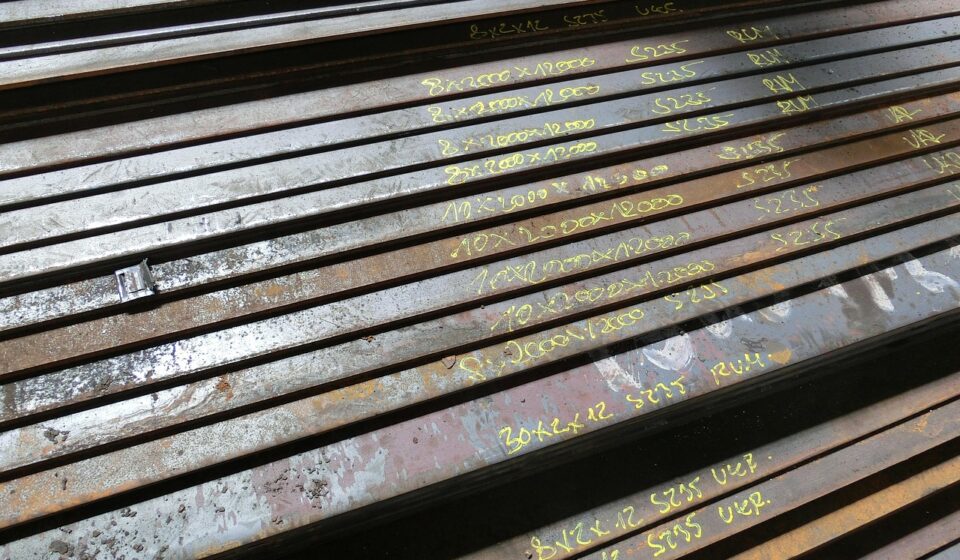
What the pairing means in practical manufacturing
Materials and processes in manufacturing should not be treated as separate decisions. A material may look suitable on a datasheet, but its value in production depends on whether it can be cast, machined, molded, formed, welded, heat treated, printed, inspected, and repeated at the required cost and quality level. The right pairing connects product performance with production reality.
For a manufacturing engineer, buyer, designer, or operations planner, the practical question is not simply “What is the strongest material?” or “What is the fastest process?” It is “Which material-process combination can meet the function, tolerance, volume, delivery, compliance, and lifecycle targets with acceptable risk?” Material selection, process planning, tooling strategy, quality control, and supply chain availability therefore need to be reviewed together. For more background on process families, see our manufacturing processes section.
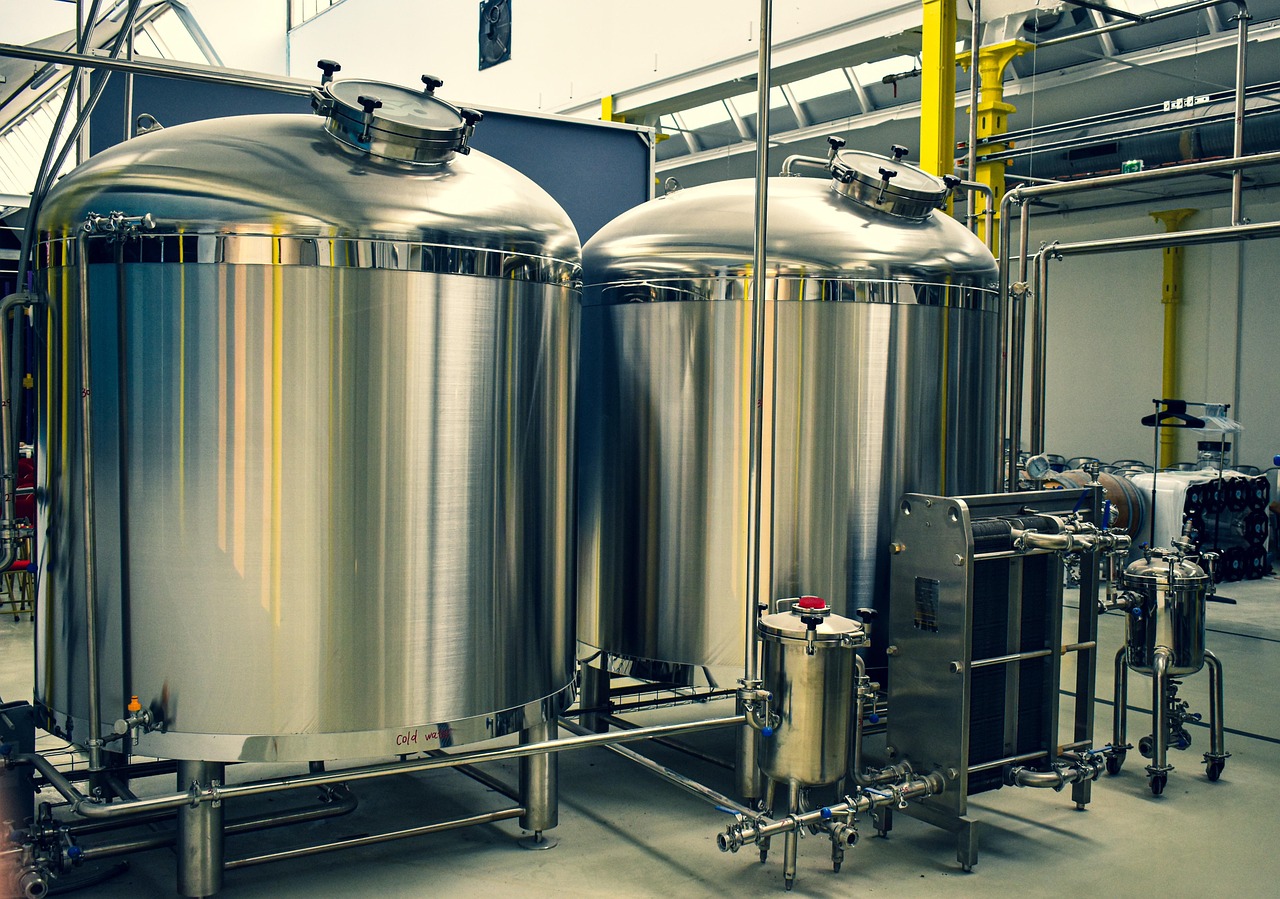
Why material choice changes the process window
Every manufacturing process has a process window: the range of temperatures, forces, speeds, feed rates, curing times, cooling rates, tool conditions, and inspection methods that can produce acceptable parts. The selected material determines how wide or narrow that window is.
Metals, polymers, ceramics, composites, and engineered materials respond differently to heat, pressure, cutting, deformation, and chemical exposure. A ductile aluminum alloy may form or machine well but still require surface treatment for wear or corrosion. A hardened steel may provide strength and abrasion resistance while increasing tool wear and machining time. A thermoplastic may suit high-volume injection molding, while a thermoset composite may require longer cure cycles and more demanding inspection.
Key material properties that influence process selection include:
- Mechanical properties: strength, stiffness, toughness, fatigue resistance, hardness, and ductility.
- Thermal behavior: melting point, glass transition temperature, thermal conductivity, and heat distortion resistance.
- Chemical and environmental resistance: corrosion behavior, solvent resistance, oxidation, UV stability, and moisture absorption.
- Manufacturability: castability, machinability, weldability, formability, moldability, printability, and joinability.
- Dimensional stability: shrinkage, warpage, residual stress, creep, and response to heat treatment.
- Inspection requirements: whether defects are visible, measurable, or require non-destructive testing.
The same nominal material can also behave differently by grade, temper, filler content, powder morphology, feedstock condition, recycled content, or supplier variation. This is why qualification is often more difficult than selecting a broad material family.
How common manufacturing processes shape material decisions
Manufacturing processes can be grouped in practical families: forming, casting, machining, joining, molding, additive manufacturing, surface finishing, and heat or chemical treatment. Each family creates value in a different way and places different limits on material selection.
| Process family | Typical compatible materials | Useful when | Main limitations to check |
|---|---|---|---|
| Casting | Metals such as aluminum, iron, steel, magnesium, zinc, and copper alloys | Parts need complex shapes, internal cavities, or near-net forms | Shrinkage, porosity, surface finish, tooling cost, and alloy fluidity |
| Machining | Metals, plastics, composites, ceramics in specialized cases | Tight tolerance, low to medium volumes, prototypes, or finishing operations are needed | Material removal waste, tool wear, cycle time, burrs, and fixturing |
| Forming and stamping | Sheet metals, bars, tubes, and some thermoplastics | High-volume parts require repeatability and efficient material use | Springback, cracking, die cost, lubrication, and forming limits |
| Injection molding | Thermoplastics, filled polymers, elastomers, some powder-based feedstocks | High volumes need fast cycle times and repeatable geometry | Tooling investment, shrinkage, flow length, sink marks, and material drying |
| Joining | Metals, plastics, composites, and mixed-material assemblies | Separate components must become a structural or functional assembly | Heat-affected zones, adhesive cure, galvanic corrosion, distortion, and inspection access |
| Additive manufacturing | Polymers, metals, ceramics, composites, and specialty feedstocks depending on process | Complex geometry, lightweighting, customization, or low-volume production is valuable | Surface finish, anisotropy, build size, qualification, powder handling, and post-processing |
Standards bodies such as ISO and ASTM classify additive manufacturing into recognized process categories and define terminology for feedstocks, machines, and process chains. This matters because “3D printing” is not one process. Powder bed fusion, binder jetting, directed energy deposition, material extrusion, vat photopolymerization, sheet lamination, and material jetting can produce very different part properties, inspection needs, and production economics.
A decision framework for matching materials and processes
The most reliable way to compare materials and processes is to move from requirements to constraints, and then from constraints to economics. A structured selection framework helps teams avoid choosing a material for one attractive property while overlooking production risk.
Start with part function
Define what the part must do before choosing the process. Load, wear, temperature, sealing, electrical behavior, cleanliness, appearance, biocompatibility, chemical exposure, and safety requirements all influence material choice. A decorative housing, a pressure-containing component, and a high-cycle fatigue bracket should not be evaluated with the same criteria.
Translate function into measurable requirements
Useful requirements include tensile strength, elongation, hardness, impact resistance, surface roughness, dimensional tolerance, maximum service temperature, corrosion test performance, flammability rating, and expected service life. If these requirements are vague, process comparison quickly becomes subjective.
Screen for manufacturability
Once performance needs are clear, eliminate options that cannot be made reliably at the required geometry and scale. A material may meet a strength requirement but still fail in production because it cracks during forming, absorbs moisture before molding, creates unacceptable porosity during casting, or requires machining time that makes the part uneconomic.
Compare total cost, not only material price
Material cost is only one part of manufacturing cost. Tooling, scrap, cycle time, energy, machine utilization, labor, inspection, post-processing, packaging, rework, and supplier qualification can outweigh raw material savings. A lower-priced material that needs slow machining and extensive inspection may cost more than a higher-priced material that molds or forms efficiently.
Assess qualification and change control
Public work from the National Institute of Standards and Technology describes qualification approaches for additive manufacturing materials, processes, and parts, including statistical qualification, equivalence-based qualification, and model-based qualification. The broader lesson applies across manufacturing: when performance is critical, manufacturers need evidence that the material, process, machine, operator, inspection method, and supply chain can produce consistent results.
Trade-offs that often decide the final selection
Most manufacturing choices involve compromise. The best decision is usually the one that balances sufficient performance with reliable production, rather than the one that maximizes a single metric. See also: cnc and robotics.
Strength versus processability
Higher strength can reduce weight or improve durability, but it may also narrow the process window. High-strength alloys may require controlled heat treatment, specialized tooling, slower cutting parameters, or strict forming limits. Filled polymers may increase stiffness but reduce flow in molding or create abrasive wear in screws and molds.
Tolerance versus production speed
Tighter tolerances usually raise manufacturing cost because they require more stable equipment, better fixturing, more controlled environments, additional finishing, and more inspection. In many cases, a design can be improved by applying tight tolerances only to functional interfaces rather than to every dimension.
Low-volume flexibility versus high-volume efficiency
Machining and additive manufacturing can support prototypes, replacement parts, and design iteration with limited tooling. Casting, molding, stamping, and automated assembly often become more attractive as volume increases because tooling and setup costs can be spread across many parts.
Performance versus sustainability
Sustainability is not just a material label. It includes yield, scrap rate, recycled content, energy intensity, process heat, durability, repairability, logistics, and end-of-life recovery. The U.S. Department of Energy’s 2022 industrial decarbonization roadmap identifies energy efficiency, material efficiency, low-carbon fuels and feedstocks, and electrification as major pathways for reducing industrial emissions. In practical selection work, the lower-impact option may be the one that reduces waste, extends product life, or removes energy-intensive process steps.
Risk, quality, and compliance considerations
Material-process selection is also a risk management activity. A process that works in a prototype shop may not be stable in production. A supplier may provide acceptable samples but struggle with lot-to-lot consistency. A material may meet the design intent but introduce health, safety, environmental, or regulatory issues during production.
Important questions include:
- Are there recognized standards or customer specifications for the material and process?
- Can the supplier document material traceability and process controls?
- Which defects are most likely, and can they be detected before shipment?
- Does the process require special controls for dust, fumes, solvents, heat, pressure, or noise?
- Can substitute materials be approved if availability or cost changes?
- Will design changes require requalification of tooling, machines, or inspection methods?
Quality planning should identify critical-to-quality characteristics early. These may include wall thickness, grain structure, porosity, fiber orientation, cure state, coating thickness, hardness depth, weld integrity, or surface contamination. Inspection should match the failure mode. Visual inspection may be adequate for cosmetic defects but insufficient for internal voids, cracks, incomplete fusion, or hidden bond failures.
Frequently asked questions
What are materials and processes in manufacturing?
Materials are the substances used to make a product, such as metals, polymers, ceramics, composites, or engineered feedstocks. Processes are the methods used to transform those materials into parts or assemblies, such as casting, molding, machining, forming, welding, coating, heat treating, or additive manufacturing.
Why should material and process selection be done together?
The selected process affects the final properties, cost, tolerance, surface condition, and repeatability of the material. A material that looks suitable in theory may fail in production if it cannot be formed, molded, welded, printed, inspected, or finished consistently.
Which comes first, material selection or process selection?
Function should come first. After the product requirements are clear, material and process options should be screened together. In some cases, the required material narrows the process choices. In others, the required volume, tolerance, or geometry determines which materials are practical.
How does production volume affect the decision?
Low-volume parts often favor flexible processes such as machining, fabrication, or additive manufacturing. High-volume parts may justify dedicated tooling for injection molding, die casting, stamping, forging, or automated assembly because the tooling cost is spread across many units.
What is the biggest mistake in choosing a manufacturing material?
A common mistake is selecting a material based on one property, such as strength or price, without checking manufacturability, inspection, supplier stability, rework risk, and total cost. A better decision considers the complete material-process system.