Scheduling production processes for realistic manufacturing flow

Scheduling production processes is the practical step that turns demand, routings, materials, machines, labor, and due dates into a sequence of shop floor work. A useful production schedule is more than a calendar. It is a time-phased decision about what runs, where it runs, in what order, under which constraints, and when the plan needs to be revised. For manufacturers, the aim is not a perfect spreadsheet; it is a realistic flow that protects customer commitments while limiting avoidable waiting, changeovers, shortages, overtime, and expediting.
For more context on related shop floor methods, see the manufacturing processes section.
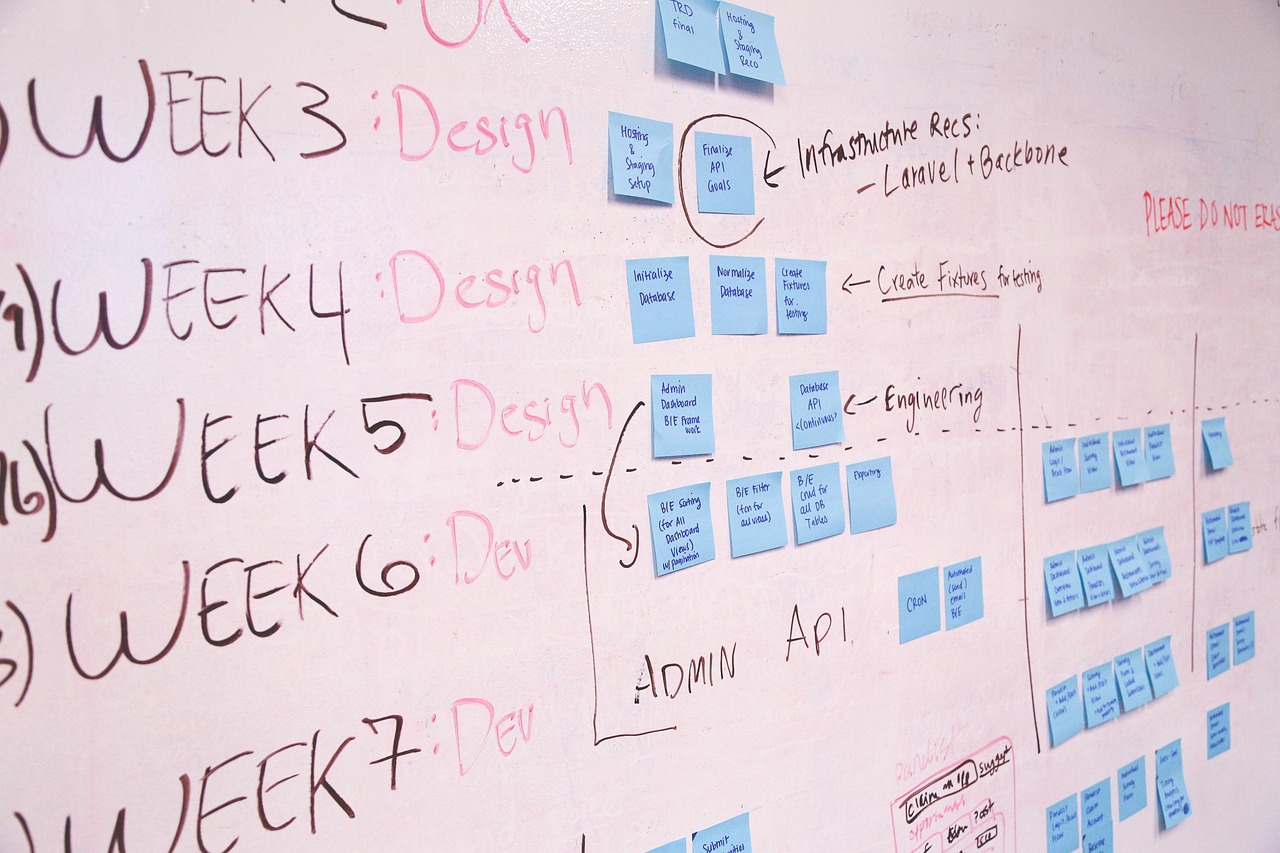
What production scheduling actually controls
Production scheduling sits closer to execution than long-range production planning. Planning answers broader questions such as how much capacity the business needs, which products should be made in which period, and whether demand can be covered by existing resources. Scheduling converts that intent into detailed work orders, start and finish windows, machine assignments, labor requirements, and sequencing rules.
Industry frameworks such as ISA-95 place detailed production scheduling within manufacturing operations management, between enterprise planning systems and the physical production process. In practical terms, the schedule must connect commercial promises and material plans with actual work centers, equipment status, quality requirements, and operator availability.
A schedule typically controls several decisions at the same time:
- Order selection: which jobs or batches should be released into production.
- Resource assignment: which machine, line, cell, tool, fixture, or crew should perform the work.
- Sequencing: the order in which jobs should run at constrained resources.
- Timing: expected start times, completion times, queue times, and handoffs.
- Exception handling: how to respond when materials, labor, machines, or quality approvals are not ready.
The key distinction is that scheduling is not the same as dispatching. Scheduling sets the intended sequence. Dispatching decides what should happen next on the floor when actual conditions differ from that sequence.
Planning, scheduling, and dispatching are different decisions
Many production problems are misdiagnosed because teams use one term for three different layers of control. If the master production schedule is overloaded, a shop floor scheduler cannot solve the issue simply by rearranging jobs. If dispatchers constantly override the plan, the cause may be missing data, unstable priorities, or an unrealistic release policy rather than poor discipline.
| Layer | Main question | Typical horizon | Common output |
|---|---|---|---|
| Production planning | Can demand be met with available capacity and materials? | Weeks to months | Production plan, capacity plan, material plan |
| Production scheduling | What should run, where, and in what sequence? | Hours to weeks | Finite or infinite schedule, work center sequence, expected completion times |
| Dispatching | What should the shop floor do next right now? | Minutes to shifts | Dispatch list, priority queue, supervisor decision |
The three layers should support each other. Planning should not assume capacity that the plant does not have. Scheduling should not release more work than constrained resources can absorb. Dispatching should not become a permanent workaround for weaknesses in planning and scheduling.
The data needed for a reliable production schedule
A production schedule is only as reliable as the data behind it. In many plants, scheduling failures are not caused by complex optimization problems. They come from missing routings, wrong run times, incorrect setup assumptions, poor inventory visibility, unclear priorities, or unrecorded downtime.
Demand and order data
The scheduler needs due dates, quantities, customer priority, promised ship dates, order status, and any commercial constraints that affect sequencing. Due dates should be realistic and visible. If every order is marked urgent, priority information loses meaning and the schedule becomes exposed to constant escalation.
Routing and process data
Routing data defines the process path: operations, work centers, setup times, run rates, transfer quantities, inspection steps, and alternate resources. In discrete manufacturing, this may include machining, heat treatment, finishing, inspection, and assembly. In batch or process manufacturing, it may include cleaning, mixing, holding, reaction, filling, and quality release steps.
Capacity and resource data
Capacity data should include available machine hours, crew patterns, maintenance windows, tool availability, fixture limits, batch size constraints, and changeover rules. A schedule that assumes twenty-four hours of equipment availability when the machine is staffed for one shift is not an executable schedule; it is an optimistic loading report.
Material and quality readiness
Material shortages are one of the fastest ways to damage schedule stability. A job should not be treated as ready if key components, raw materials, tooling, documents, or quality approvals are missing. In regulated or high-precision environments, inspection capacity and release timing can be as important as machine capacity.
Finite capacity makes the schedule more realistic
Production teams often distinguish between infinite and finite capacity scheduling. Infinite capacity scheduling can place work on a resource without checking whether that resource has enough available time. It is useful for identifying overloads, but it does not create a fully executable sequence. Finite capacity scheduling considers capacity limits and forces trade-offs when demand exceeds available time.
Finite scheduling is especially useful when one or more resources act as bottlenecks. A bottleneck may be a machine, oven, test stand, cleanroom, skilled operator, inspection station, or outside process. When the bottleneck is not protected, jobs may appear to be moving while the true constraint builds a queue that delays completion.
Finite capacity does not remove the need for judgment. It still depends on assumptions about setup time, labor availability, downtime, yield loss, rework, and priority rules. If those assumptions are wrong, a finite schedule can look precise while still being unreliable. The purpose is not to calculate a perfect future; it is to expose conflicts early enough for managers to act.
Priority rules shape the actual sequence
When multiple jobs compete for the same resource, the scheduling system needs a rule for deciding sequence. No single rule fits every production environment. A job shop with many routings will use different logic than a repetitive assembly line or a batch process with cleaning constraints.
Common sequencing approaches include:
- Earliest due date: useful when delivery performance is the primary objective, but it can increase setup frequency if product families are mixed.
- First in, first out: simple and transparent, but it may ignore customer priority, setup efficiency, or bottleneck impact.
- Shortest processing time: can reduce average flow time, but may delay large or complex jobs.
- Critical ratio: compares time remaining with work remaining, helping identify jobs at risk of lateness.
- Campaign or family sequencing: groups similar products to reduce changeovers, cleaning, tooling changes, or color/material transitions.
- Constraint-based sequencing: schedules around the limiting resource first, then aligns upstream and downstream operations.
The right choice depends on business goals. If customer delivery is the main objective, due-date logic may dominate. If changeovers consume significant time or create quality risk, product-family sequencing may produce better flow. If one resource limits the whole plant, constraint-based scheduling often deserves priority. See also: cnc and robotics.
A practical workflow for scheduling production processes
A scheduling routine should be repeatable enough to support discipline, but flexible enough to handle normal uncertainty. The following workflow fits many manufacturing environments, although the details should be adapted to product type, process complexity, and planning system maturity.
- Confirm the planning baseline. Start from approved demand, open orders, forecasts, inventory targets, and master production priorities.
- Check readiness before release. Verify materials, drawings, tooling, fixtures, labor skills, machine status, and quality requirements before jobs enter the active schedule.
- Identify constrained resources. Determine which machines, lines, crews, inspection steps, or outside services will limit throughput in the scheduling horizon.
- Load work by realistic capacity. Use available hours after planned maintenance, breaks, changeovers, meetings, and expected downtime are considered.
- Sequence jobs using agreed rules. Apply due-date, setup, family, campaign, or bottleneck logic consistently rather than relying on last-minute arguments.
- Review exceptions daily. Track shortages, late jobs, machine failures, labor gaps, rework, and engineering changes that threaten the schedule.
- Freeze part of the schedule. Protect near-term work from unnecessary changes while allowing later periods to remain flexible.
- Measure schedule performance. Compare the plan with actual starts, completions, changeovers, downtime, and late orders.
The freeze window matters. Without it, supervisors may spend each shift responding to the newest request instead of completing the most valuable work. With a reasonable freeze window, changes can still happen, but they require conscious approval.
How to measure whether the schedule is working
A schedule should be judged by its effect on flow, delivery, and stability, not by how detailed it looks. A color-coded board or advanced planning tool can still fail if the underlying assumptions are not maintained.
Useful measures include:
- Schedule adherence: the share of jobs completed as scheduled within the defined time window.
- On-time delivery: the share of orders shipped by the committed date.
- Throughput at the constraint: output from the bottleneck resource over time.
- Queue time: waiting time between operations, especially before constrained resources.
- Changeover time: time lost to setup, cleaning, tooling, or product transitions.
- Expedite frequency: how often orders require emergency intervention.
- Plan changes inside the freeze window: a signal of instability or poor readiness.
No metric should be used alone. High schedule adherence can hide the fact that the wrong jobs were scheduled. High utilization can hide excessive work-in-process. Good on-time delivery can be achieved temporarily through overtime and expediting, but that may not be sustainable.
Common scheduling mistakes and how to avoid them
The most damaging scheduling mistakes often look reasonable in isolation. The risk appears when they become routine.
- Releasing too much work: Excess work-in-process increases queues, hides shortages, and makes priorities harder to see. Release work based on constraint capacity and readiness.
- Ignoring setup logic: Sequencing jobs without considering changeovers can consume capacity that the schedule assumed was available.
- Treating materials as separate from capacity: A machine slot is not useful if components, tools, or approvals are missing.
- Overusing manual overrides: Human judgment is necessary, but constant overrides indicate that the rules or data need improvement.
- Optimizing every resource equally: Improving a non-bottleneck may not improve total plant output. Start with the constraint.
- Using outdated standards: Run times, yields, and setup estimates should be reviewed when products, operators, equipment, or methods change.
Many plants improve scheduling not by buying new software first, but by cleaning master data, agreeing on priority rules, and reducing the number of exceptions entering the schedule.
Digital tools help when the process is disciplined
ERP, MES, APS, spreadsheets, visual boards, and dispatching tools can all support production scheduling. The right tool depends on operating complexity. A simple repetitive line may need a clear visual schedule and strong material control. A high-mix job shop may need finite capacity logic, alternate routing, labor skill matching, and scenario planning. A batch process may need campaign planning, tank availability, cleaning constraints, and quality release timing.
Advanced planning and scheduling systems can evaluate many constraints faster than manual methods, but they do not remove the need for governance. Someone must maintain routings, calendars, resource data, item attributes, and changeover rules. Someone must also decide which objective matters most when delivery, setup efficiency, inventory, overtime, and utilization conflict.
A practical approach is to improve scheduling maturity in stages: standardize data, stabilize priorities, define freeze windows, measure adherence, then add more advanced optimization where the business case is clear.
Frequently asked questions
What is the main goal of scheduling production processes?
The main goal is to create a realistic sequence of work that meets demand with available materials, capacity, labor, and process constraints. A good schedule improves flow and exposes conflicts before they become missed shipments or costly expediting.
How often should a production schedule be updated?
The update frequency depends on volatility. High-mix job shops may review schedules daily or by shift, while stable repetitive production may use longer cycles. The key is to separate controlled rescheduling from constant disruption inside the freeze window.
Is finite capacity scheduling always better?
Finite capacity scheduling is more realistic when capacity constraints matter, but it depends on accurate data. If routings, run times, calendars, or setup assumptions are wrong, the output can still be misleading.
What is the difference between production scheduling and production planning?
Production planning sets the broader output, capacity, and material direction over a longer horizon. Production scheduling turns that plan into specific jobs, resources, sequences, and timing for execution.
Why do production schedules fail so often?
Schedules often fail because jobs are released without full readiness, priorities change too frequently, bottlenecks are not protected, or the data does not match actual shop floor conditions. Improving the process usually requires both better information and clearer decision rules.
Conclusion
Scheduling production processes works best when it is treated as a decision system, not a clerical task. The schedule must connect demand with real capacity, material readiness, routing accuracy, priority logic, and shop floor feedback. Manufacturers that clearly separate planning, scheduling, and dispatching can make better trade-offs and reduce unnecessary disruption. The strongest schedules are not the ones with the most detail; they are the ones that reflect real constraints, make priorities visible, and help teams act before problems reach the customer.