Drill machine guide for types, selection and safe operation
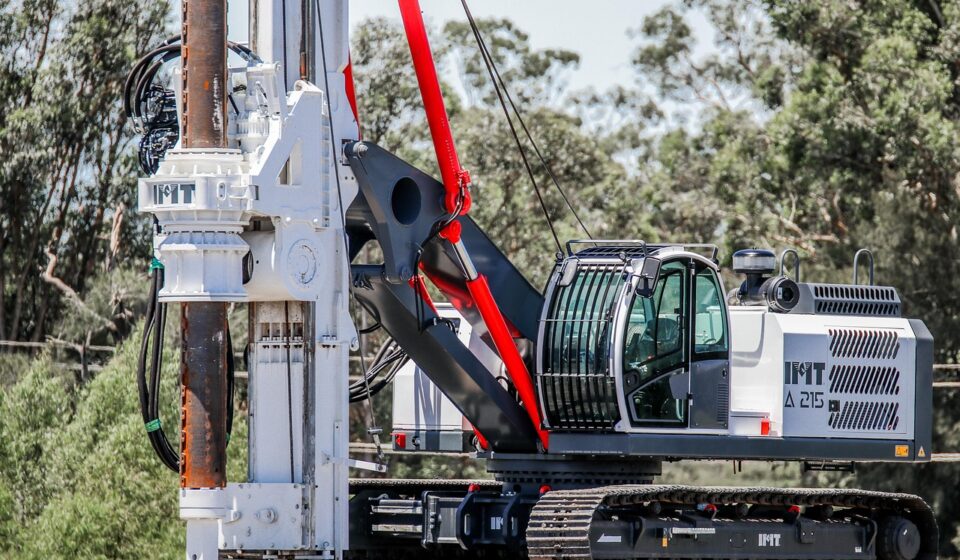
A drill machine is a machine tool that rotates a cutting tool to make or finish holes in a workpiece. In a machine shop, the buying decision is rarely based on maximum drill diameter alone. Spindle speed range, feed control, rigidity, throat depth, table travel, workholding, guarding, coolant use and the expected accuracy after drilling, reaming, countersinking or tapping all affect the result. A small bench drill may be suitable for light maintenance work. A radial drill or CNC drilling center may be the better fit for large parts, repeated hole patterns or heavier metal removal. The practical goal is to match the machine, tooling and fixture to the part, rather than treating every drilling job as the same operation.
What a drill machine does in a manufacturing workflow
A drill machine removes material with a rotating drill bit, usually by feeding the tool along its axis into metal, wood, plastic or composite stock. In manufacturing, drilling is often the first step in a broader holemaking process. The same setup may also involve spot drilling, pilot drilling, reaming, counterboring, countersinking, tapping or deburring, depending on the drawing requirement.
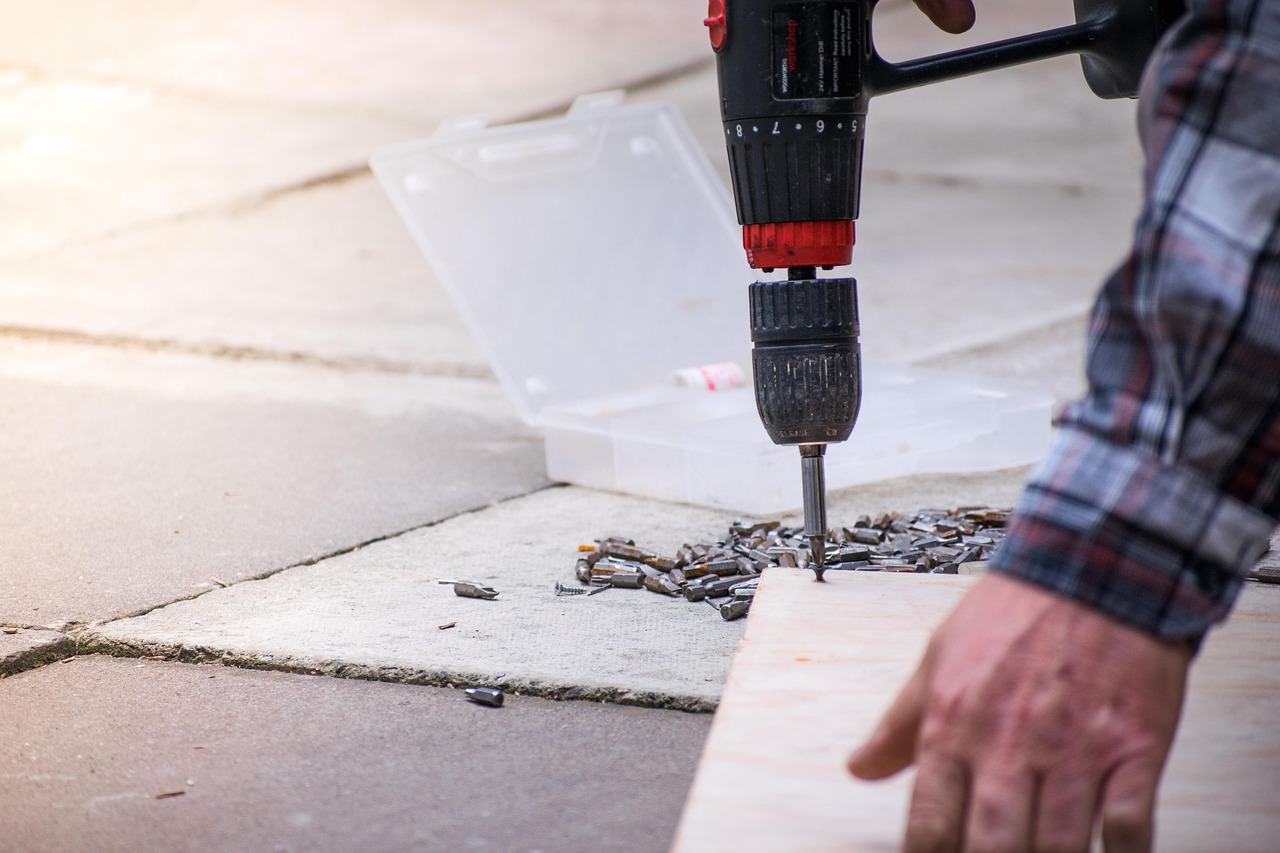
For general readers, the term drill machine may refer to a portable drill, a bench drill press, a pillar drill, a radial drilling machine or a CNC drilling machine. In machine tool usage, it usually refers to a fixed machine that holds the spindle, table and workpiece in a more controlled relationship than a handheld tool can provide. That structure improves alignment, repeatability and operator control.
Drilling appears simple, but hole quality depends on several variables working together. Tool geometry controls chip formation. Spindle speed affects heat generation. Feed rate influences chip thickness and cutting force. Workholding prevents rotation, lifting and chatter. Coolant or lubrication can improve chip evacuation and tool life in many metalworking applications. If one of these factors is poorly controlled, the result may be an oversized hole, poor surface finish, burrs, broken drills or misaligned features.
Main types of drill machine and where they fit
The most useful way to compare drilling machines is to look at part size, workpiece weight, hole pattern complexity and required repeatability. The table below summarizes common industrial categories.
| Type | Typical use | Key strength | Main limitation |
|---|---|---|---|
| Bench drill press | Small parts, maintenance work, light fabrication | Compact footprint and simple operation | Limited capacity, rigidity and table travel |
| Pillar or floor drill | General workshop drilling in metal, plastic or wood | Greater height, table adjustment and stability than a bench unit | Less flexible for very large or awkward parts |
| Radial drilling machine | Large castings, plates and heavy fabrications | Spindle can move over the workpiece, reducing the need to reposition heavy parts | Requires careful setup and more floor space |
| Gang drilling machine | Sequential operations on similar parts | Multiple spindles or stations can reduce handling time | Less flexible when part mix changes frequently |
| CNC drilling machine | Repeated hole patterns, production batches and tighter process control | Programmable positioning, feeds and speeds | Higher investment and programming requirement |
| Magnetic base drill | On-site structural steel and field drilling | Portable clamping to ferromagnetic work surfaces | Application depends on suitable material and secure magnetic holding |
A bench or pillar drill is often enough for small workshops that handle varied repair and fabrication work. A radial drill becomes useful when the workpiece is too heavy to move repeatedly under a fixed spindle. CNC drilling equipment is generally justified when repeatability, cycle time, hole pattern complexity or production documentation matter more than the lowest purchase price.
Key specifications that matter more than the nameplate
Machine listings often highlight motor power and maximum drilling capacity, but those figures do not fully describe real cutting performance. A more useful assessment looks at the whole cutting system.
Spindle speed range and torque
Different drill diameters and materials need different surface speeds. Small drills typically require higher spindle speeds, while larger drills in tougher materials need lower speeds and more torque. A machine with a wide, usable speed range gives operators more flexibility across aluminum, mild steel, stainless steel, cast iron and engineering plastics. Step pulley drives may be adequate for simple shop work, while variable speed drives can reduce setup time when jobs change often.
Feed control and quill travel
Manual feed is common on basic machines, but power feed can improve consistency on larger holes and deeper drilling. Quill travel affects how deep the tool can feed without resetting the table or workpiece. Deep holes may still require peck drilling, special tooling or better chip evacuation, so long travel alone should not be treated as a complete solution.
Rigidity, alignment and table design
Rigidity affects chatter, hole roundness and tool life. A heavier column, stable base and well-supported table become especially important when drilling larger diameters or harder materials. Table slots, tilt, rotation and height adjustment also matter because they determine how easily a vise, fixture or large workpiece can be positioned and clamped.
Accuracy expectations
Drilling is not the same as precision boring or jig grinding. A standard twist drill can wander, especially on an uneven surface or in a weak setup. For accurate locations, shops often use center drilling or spot drilling before the main drill. For tighter size and finish, a drilled hole may be reamed after leaving appropriate stock. In acceptance and performance testing for machine tools, the ISO 230 series is widely used as a reference family; ISO 230-12:2022 specifically addresses the accuracy of finished test pieces and the factors that can contribute to machining error.
Selection checklist for buyers and shop planners
A useful drill machine purchase starts with the parts, not the catalog. Before comparing brands or prices, define the job envelope and the level of process control required.
- Workpiece size and weight: Check maximum height under spindle, throat depth, table load and ease of positioning.
- Material range: A shop drilling mostly aluminum has different speed and chip control priorities than one drilling stainless steel or cast iron.
- Hole diameter and depth: Larger and deeper holes demand more torque, rigidity, feed control and chip evacuation.
- Operation mix: If the machine will also countersink, counterbore, tap or ream, confirm spindle speeds, feed options and tooling compatibility.
- Batch size: One-off maintenance work favors flexibility. Repeated production work may justify fixtures, digital readouts, power feed or CNC control.
- Floor space and handling: The machine must fit the workflow, including access for cranes, carts, vises, coolant units and chip removal.
- Safety and compliance: Guarding, emergency stop access, electrical controls and lockout practices should be reviewed before purchase, not after installation.
For industrial buyers, total cost of ownership includes more than the purchase price. Tooling, fixtures, operator training, setup time, downtime, maintenance parts and inspection requirements can outweigh a small difference in machine cost. A cheaper machine may still be a good choice for light-duty work, but it can become expensive if it leads to rework, broken tools or unsafe workarounds.
Safe operation and guarding considerations
Drilling machines create hazards at the rotating spindle, chuck, drill bit, belts, pulleys and point of operation. In the United States, OSHA’s general machine-guarding rule at 29 CFR 1910.212 requires guarding methods to protect employees from hazards such as the point of operation, rotating parts, flying chips and sparks. OSHA has also stated in an interpretation that the rule applies to drill presses as well as lathes. Requirements vary by country and workplace, so local regulations and employer procedures should always be checked.
One practical challenge is that drilling requires access to the point where the tool enters the workpiece. OSHA’s drill press guidance notes that point-of-operation guarding can be difficult because of the nature of the drilling process. That does not remove the need for risk reduction. It means the guarding approach should be selected for the actual operation, material, tool and handling method.
- Secure the workpiece with a vise, clamps, fixture or other suitable holding method instead of relying on hand pressure.
- Keep hands, gloves, hair, sleeves and jewelry away from rotating tools and chucks.
- Use chip brushes or tools to clear chips after the spindle stops, not bare hands near a rotating tool.
- Confirm guards, shields and emergency stops are in place and functional before production use.
- Disconnect or lock out power before maintenance, belt changes or service tasks where unexpected startup could expose workers to moving parts.
- Use eye and face protection appropriate to the material and chip risk.
Safety is also a productivity issue. A workpiece that spins because it was not clamped can damage the part, break the tool and injure the operator. A properly planned setup reduces risk and usually improves hole consistency at the same time.
Process quality, tooling and maintenance
Hole quality depends on both machine condition and process discipline. Even a rigid drill machine will produce poor results with dull tooling, incorrect speed, weak workholding or chips packed in the flutes.
Tool selection
Twist drills are the general-purpose choice, but not every drill is suitable for every material. Coatings, point geometry, flute design and substrate all affect performance. Stub drills can reduce wander in short holes. Step drills are useful in sheet materials. Carbide drills can improve productivity in suitable machines, but they are less tolerant of vibration and poor alignment than many high-speed steel drills.
Feeds, speeds and heat
Cutting speed and feed should be set according to material, drill diameter, tool material and coolant conditions. Excessive speed can overheat the cutting edge. Too little feed can cause rubbing instead of cutting. Too much feed can overload the tool or machine. Published tooling charts are useful starting points, but operators still need to observe chip color, chip shape, sound, spindle load and hole finish.
Routine maintenance
Maintenance should include checking belts, pulleys, spindle runout, chuck condition, table locks, lubrication points, electrical controls and coolant delivery if fitted. Chips should be removed from the table and base before they become a source of inaccuracy or corrosion. If a machine begins to produce tapered holes, chatter marks or repeated tool breakage, the cause may be setup-related, but spindle condition and alignment should also be investigated.
Frequently asked questions
Is a drill machine the same as a drill press?
In many workshop contexts, the terms overlap. Drill press usually refers to a fixed bench or floor machine with a vertical spindle and table. Drill machine is broader and can include pillar drills, radial drills, gang drills, magnetic drills and CNC drilling equipment.
Which drill machine is suitable for metalworking?
For light metalworking, a rigid bench or pillar drill with a suitable speed range, clamping and cutting fluid may be adequate. For large steel parts, a radial drill may be more practical. For repeated production holes, a CNC drilling machine or machining center can offer better control and repeatability.
Why does a drill bit wander?
Common causes include an uneven starting surface, excessive tool length, poor workholding, spindle runout, incorrect feed, a dull drill or skipping the spot drilling step. A shorter, sharper tool and a controlled starting operation usually improve location accuracy.
Can a drill machine perform tapping?
Some machines can support tapping when they have the correct speed control, spindle function, toolholding and operator procedure. Tapping adds torque and reversal requirements, so it should not be assumed that every drill press is suitable without checking the machine design and tooling method.
What is the most important safety habit when drilling?
Securing the workpiece is one of the most important habits. A part that catches on the drill can rotate suddenly. Proper clamping, correct speed, guarded moving parts and safe chip removal should be treated as part of the same safe setup.
Bottom line for machine shops
A drill machine should be selected as part of a complete holemaking process. The machine provides rotation, feed and structure, but the final result depends on tooling, fixture design, operator practice, maintenance and inspection. For occasional light-duty work, simplicity and flexibility may matter most. For heavy parts, reach and rigidity become decisive. For repeated patterns and tighter control, CNC capability may be the better long-term choice. The most reliable purchase decision starts with the actual workpiece, then matches capacity, accuracy, safety and workflow to that requirement.