Carbon fiber manufacturing explained from precursor to finished fiber
What carbon fiber manufacturing actually involves
Carbon fiber manufacturing is the controlled conversion of an organic precursor into thin, carbon-rich filaments used to reinforce composite parts. In most commercial production, the precursor is polyacrylonitrile, usually called PAN. The typical sequence is precursor production, spinning, stabilization in air, carbonization in an inert atmosphere, optional high-temperature graphitization, surface treatment, sizing, and winding. Each stage changes the fiber’s chemistry, microstructure, handling behavior, or bonding performance.
The process does more than produce a lightweight material. It creates a fiber with a defined balance of tensile strength, stiffness, density, surface chemistry, and processability. For that reason, the manufacturing route matters as much as the raw material. Small changes in temperature, tension, residence time, atmosphere, or sizing can affect the final fiber grade and the applications it can serve.
For readers comparing manufacturing processes, carbon fiber is a useful example of a process where chemistry, thermal treatment, and precision handling have to work together.
Main raw materials used to make carbon fiber
Commercial carbon fiber is usually grouped by precursor type. The precursor is the starting fiber or feedstock that is converted into carbon fiber, and it strongly influences cost, conversion behavior, and attainable properties.
PAN-based precursors
PAN-based carbon fiber is the dominant route for high-strength structural applications. Industry descriptions from organizations such as the Japan Carbon Fiber Manufacturers Association and IUPAC describe PAN-based carbon fibers as products obtained from PAN precursor fibers through stabilization, carbonization, and final heat treatment. PAN is widely used because it can be spun into fine filaments, stretched to align molecular chains, and converted into strong fibers when stabilization and carbonization are properly controlled.
The PAN route commonly begins with acrylonitrile polymerization, followed by spinning and drawing to form precursor fiber. The precursor is then wound and prepared for continuous thermal conversion. Precursor quality is critical. Defects, uneven diameter, poor orientation, or contamination can carry through the line and reduce final fiber consistency.
Pitch-based precursors
Pitch-based carbon fiber starts from petroleum or coal-derived pitch, especially refined or mesophase pitch when high modulus is required. Pitch fibers can provide very high stiffness and thermal conductivity, which makes them useful in selected aerospace, satellite, thermal management, and specialty industrial applications. The trade-off is that pitch processing and property control differ from PAN processing, so pitch-based fibers are not direct substitutes for PAN-based structural fibers in every application.
Alternative and lower-cost precursors
Research programs have examined textile-grade PAN, lignin, polyolefin, and other feedstocks to reduce cost or energy use. Oak Ridge National Laboratory’s Carbon Fiber Technology Facility has publicly described work on lower-cost precursor development and conversion technologies, including textile, lignin, polymer, and hydrocarbon-based precursors. These alternatives matter because precursor cost has historically been one of the largest cost contributors in carbon fiber production. Lower feedstock cost, however, is only valuable if the final fiber still meets strength, stiffness, consistency, and qualification requirements.
The step-by-step carbon fiber manufacturing process
1. Polymerization and precursor preparation
For PAN-based fiber, acrylonitrile is polymerized, often with small amounts of comonomers to improve stabilization behavior and processability. The polymer solution is filtered, deaerated, and prepared for spinning. At this stage, manufacturers are already setting the basis for the future fiber. Molecular weight, copolymer composition, purity, and rheology affect spinning stability and later conversion.
2. Spinning and drawing
The precursor must be formed into continuous filaments. PAN precursors are commonly made by wet spinning or dry-jet wet spinning, while other precursor systems may use different spinning methods. Once the polymer becomes a filament, drawing stretches the fiber and helps align molecular chains. Better alignment generally supports stronger mechanical properties after carbonization, but excessive or uneven drawing can introduce defects.
The product at this stage is not yet carbon fiber. It is an engineered precursor tow made of thousands of fine filaments. Common tow sizes vary by supplier and application, and the selected tow size affects handling, spreading, impregnation, and composite part manufacturing.
3. Stabilization or oxidation
Stabilization is one of the most important and time-consuming stages. PAN precursor passes through heated air, commonly in the range of about 200 to 300 degrees Celsius according to industry process descriptions. The purpose is to make the fiber thermally stable so it will not melt or fuse during later high-temperature treatment.
During stabilization, chemical reactions transform the PAN structure into a ladder-like, heat-resistant structure. The process must be tightly controlled because the reactions are exothermic. If temperature, airflow, tension, or residence time are poorly managed, the tow can develop hot spots, broken filaments, uneven density, or poor final properties.
4. Carbonization in an inert atmosphere
After stabilization, the fiber is heated in an inert atmosphere, usually nitrogen, to remove non-carbon elements and increase carbon content. Industry references commonly place PAN carbonization around 1,000 to 1,500 degrees Celsius, while broader carbonization and graphitization systems may use higher maximum temperatures depending on the target grade.
Carbonization is where the material becomes carbon fiber in the practical sense. Hydrogen, oxygen, nitrogen, and other elements are driven off, and carbon-rich structures develop. Furnaces must exclude oxygen because oxygen at these temperatures would damage or consume the fiber. Off-gases also require proper handling and abatement.
5. Optional graphitization
Some carbon fibers receive additional high-temperature heat treatment, often described as graphitization, at roughly 2,000 to 3,000 degrees Celsius in industry process explanations. This stage can increase modulus by improving structural ordering, but it is not used for every fiber grade. Higher modulus is valuable for stiffness-critical applications, while tensile strength and strain-to-failure may be more important in other composite structures.
6. Surface treatment, sizing, and winding
Fresh carbon fiber may not bond optimally with resin. Surface treatment modifies the outer layer to improve adhesion with epoxy, thermoplastic, or other matrix systems. After treatment, sizing is applied as a thin protective coating. Sizing reduces fuzz and filament damage, improves handling, and helps match the fiber to downstream processes such as prepregging, filament winding, pultrusion, weaving, or automated placement.
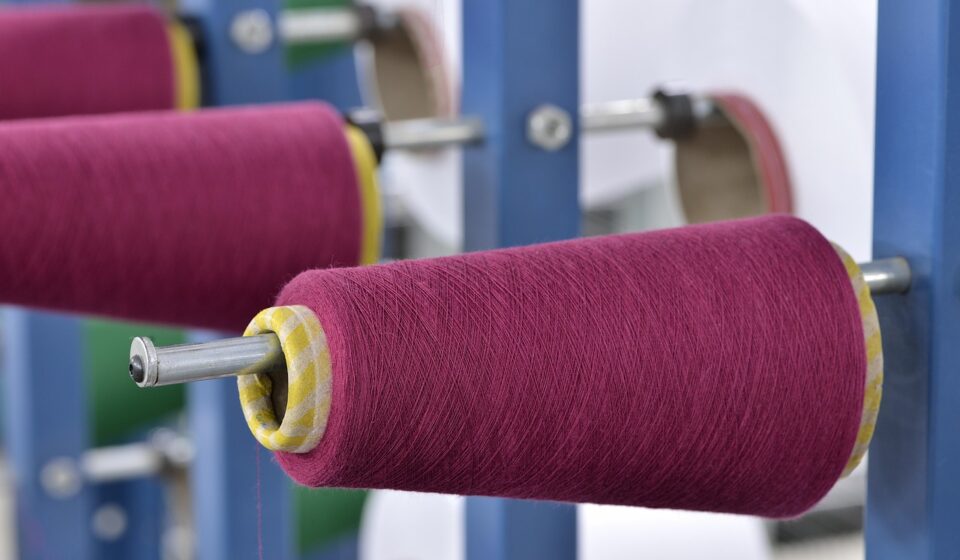
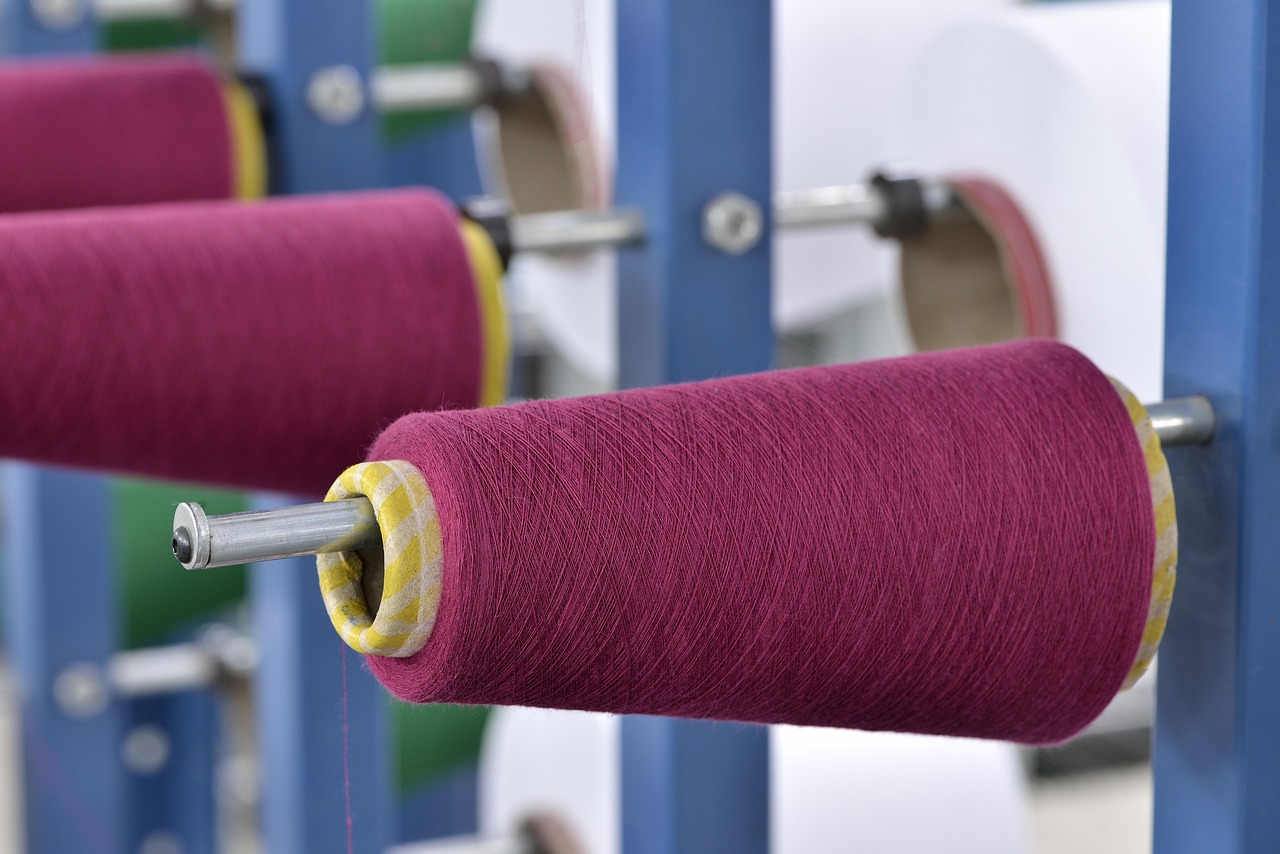
The final fiber is wound onto packages under controlled tension. Even at this late stage, manufacturing discipline matters. Poor winding can cause tow spreading problems, tension variation, broken filaments, or difficulties in later composite production.
Key process controls that determine fiber quality
Carbon fiber production is a continuous process, but quality depends on many interacting variables. Manufacturers must control precursor uniformity, line speed, temperature profile, tow tension, atmosphere purity, residence time, furnace cleanliness, and surface chemistry. No single parameter guarantees performance on its own.
| Control point | Why it matters | Possible manufacturing issue |
|---|---|---|
| Precursor diameter and uniformity | Affects heat transfer, reaction consistency, and filament strength | Uneven conversion or weak filaments |
| Stabilization temperature and airflow | Controls oxidation rate and prevents overheating | Hot spots, fused tow, or incomplete stabilization |
| Tension through furnaces | Maintains orientation and dimensional stability | Loss of properties or filament breakage |
| Inert gas quality | Protects fiber during carbonization | Oxidation damage or inconsistent carbon content |
| Surface treatment level | Supports bonding with the resin matrix | Poor composite interlaminar performance |
| Sizing chemistry | Improves handling and compatibility with downstream resin systems | Processing problems or weak fiber-matrix interface |
These controls help explain why carbon fiber manufacturing is difficult to scale. A laboratory fiber may show promising properties, but commercial production requires stable results across long runs, many packages, and strict qualification regimes. See also: cnc and robotics.
Cost, energy, and bottlenecks in carbon fiber production
Cost reduction has been a major focus in carbon fiber manufacturing for decades. Public materials from the U.S. Department of Energy and Oak Ridge National Laboratory have often identified precursor cost and thermal conversion as major contributors to total cost. One commonly cited DOE/ORNL-style breakdown places the precursor near half of the carbon fiber cost, with conversion and finishing accounting for much of the rest. The exact percentages vary by plant, precursor, energy price, product grade, and accounting method, so they should be treated as directional rather than universal.
Stabilization is a major bottleneck because it is comparatively slow and energy-intensive. DOE-published work on plasma oxidation described research intended to reduce oxidation time and energy use compared with conventional thermal oxidation. This type of work is important because shortening stabilization can reduce line length, energy demand, and capital intensity. A research or demonstration result, however, should not be read as proof that every commercial carbon fiber line has adopted the same method.
Energy use is also tied to high-temperature furnaces, inert gas systems, emissions control, and continuous operation. Because carbon fiber lines are capital intensive, utilization matters. A plant that cannot run consistently at qualified output will face higher unit costs, even if its basic process design is sound.
PAN-based and pitch-based carbon fiber compared
PAN and pitch routes share some broad process logic, but they serve different performance and market needs. The choice depends on the target property set, application, certification path, and economics.
| Factor | PAN-based carbon fiber | Pitch-based carbon fiber |
|---|---|---|
| Typical role | High-strength structural composites | High-modulus and thermal management applications |
| Starting material | Polyacrylonitrile precursor fiber | Petroleum or coal-derived pitch, often refined or mesophase pitch |
| Core process | Spinning, stabilization, carbonization, optional further heat treatment | Pitch preparation, spinning, stabilization, carbonization, graphitization as needed |
| Main advantage | Strong balance of strength, process maturity, and composite use | Potential for very high stiffness and high thermal conductivity |
| Main limitation | Precursor and conversion cost remain important barriers | More specialized applications and different processing challenges |
In practical terms, PAN-based carbon fiber is usually the reference point for aerospace structures, pressure vessels, sporting goods, and many industrial composites. Pitch-based fiber is more likely to be selected when stiffness or thermal conductivity is the dominant requirement.
How carbon fiber manufacturing affects downstream composite production
Carbon fiber is rarely the final product by itself. It becomes useful when combined with a matrix material, most often a polymer resin. Manufacturing choices at the fiber stage influence how well the tow spreads, wets out, weaves, drapes, winds, or pultrudes.
For example, a fiber designed for epoxy prepreg may use a different sizing than a fiber intended for thermoplastic compounding. A large-tow industrial fiber may be attractive for cost-sensitive applications, but it must still impregnate properly and deliver acceptable mechanical performance in the finished composite. A high-modulus fiber may improve stiffness, but it can be less tolerant of bending or handling damage than a more ductile grade.
This is why carbon fiber specifications include more than tensile strength and modulus. Manufacturers and composite processors also consider filament count, linear density, density, elongation, surface treatment level, sizing type, moisture content, fuzz, package quality, and batch consistency.
Current development priorities in carbon fiber manufacturing
Several development priorities are shaping the future of carbon fiber production. The first is lower-cost precursor technology. Textile-grade PAN and alternative precursors remain attractive because raw material cost strongly influences final economics. The second is faster and more efficient stabilization, because oxidation can constrain throughput and energy performance. The third is better process monitoring, including continuous data collection for temperature, tension, tow condition, and furnace atmosphere.
Another priority is recycling and circular material use. Recycled carbon fiber can reduce waste and recover value from scrap prepreg, cured composites, and end-of-life parts. The challenge is that recovered fibers are often shorter or have altered surface characteristics, which can limit their use in the same applications as virgin continuous fiber. For many markets, recycled fiber is more realistic in chopped, nonwoven, molding compound, or lower-criticality applications than as a direct replacement for aerospace-grade continuous tow.
Manufacturers are also working to align carbon fiber grades with expanding applications such as hydrogen pressure vessels, electric vehicle components, wind energy structures, civil infrastructure reinforcement, and automated composite manufacturing. The opportunity is significant, but qualification remains strict. A new fiber or process must prove not only performance, but also repeatability, durability, and compatibility with established composite production routes.
Frequently asked questions
What is the most common carbon fiber manufacturing route?
The most common route uses PAN precursor. PAN is polymerized, spun into precursor fiber, stabilized in air, carbonized in an inert atmosphere, surface treated, sized, and wound. Pitch-based routes are also used, especially for high-modulus or thermally conductive specialty fibers.
Why is stabilization so important?
Stabilization makes the precursor thermally stable before carbonization. Without proper stabilization, the fiber can melt, fuse, overheat, or convert unevenly during high-temperature treatment. It is also one of the main process bottlenecks because it must be controlled carefully and cannot simply be rushed without affecting quality.
Does all carbon fiber go through graphitization?
No. Graphitization or very high-temperature heat treatment is used when the desired fiber grade requires greater structural ordering or higher modulus. Many carbon fibers are carbonized and finished without being pushed to the highest graphitization temperatures.
What makes carbon fiber expensive to manufacture?
Major cost drivers include the precursor, energy-intensive thermal conversion, long furnace lines, inert atmosphere control, emissions handling, capital equipment, and strict quality requirements. Cost also depends on production volume, yield, qualification burden, and the performance grade being produced.
Can recycled carbon fiber replace virgin carbon fiber?
Sometimes, but not in every application. Recycled carbon fiber can be valuable in chopped fiber, nonwoven, and molding applications. It is harder to use as a direct substitute for continuous virgin fiber in highly qualified structural parts because recovery can shorten fibers, change surface condition, or introduce variability.
Bottom line
Carbon fiber manufacturing is a high-control conversion process, not a simple high-temperature treatment. The final fiber depends on precursor chemistry, spinning quality, stabilization, carbonization, optional graphitization, surface treatment, sizing, and winding. PAN-based production remains the main structural route, while pitch-based production serves more specialized high-modulus and thermal applications. The most important manufacturing trends are lower-cost precursors, faster stabilization, improved process monitoring, and better use of recycled fiber. For engineers and buyers, the key point is straightforward: carbon fiber performance is built into the process long before the fiber reaches a composite part.