Ceramic manufacturing process explained from raw materials to quality control
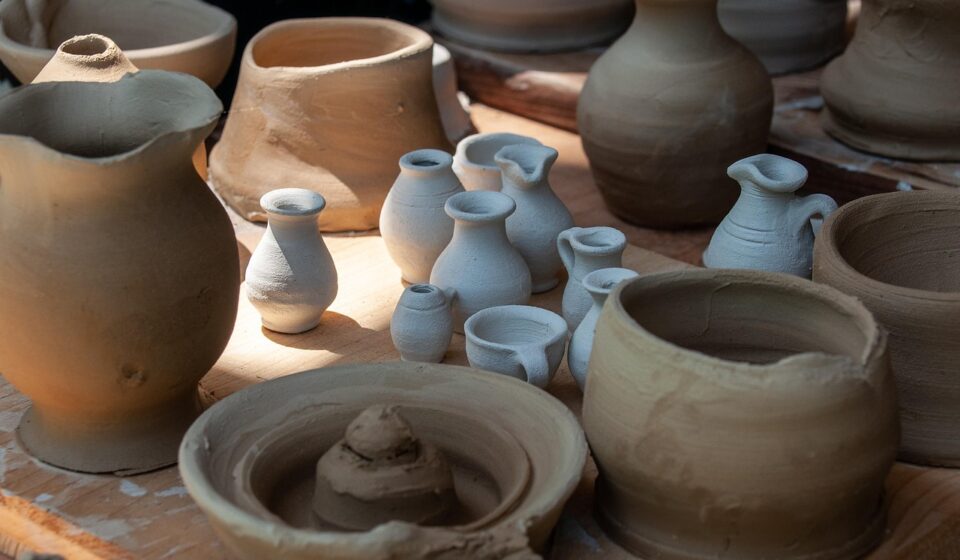
What ceramic manufacturing means in industry
Ceramic manufacturing is the controlled conversion of mineral powders, clays, oxides, carbides, nitrides, and other inorganic materials into shaped parts that are hardened by heat treatment. In production, it is not simply a matter of making a shape and firing it. Each step affects the final density, shrinkage, porosity, strength, surface finish, and dimensional accuracy. A tile plant, a sanitaryware line, a brick works, and an advanced alumina or zirconia component shop may use very different equipment, but they follow the same basic logic: prepare a consistent body, form it, remove water or binders safely, fire or sinter it, and then verify that the finished ceramic meets its specification.
For readers comparing ceramic production with other manufacturing processes, the main difference is that many important material properties develop after forming, during drying, burnout, firing, and sintering.
The basic ceramic manufacturing process flow
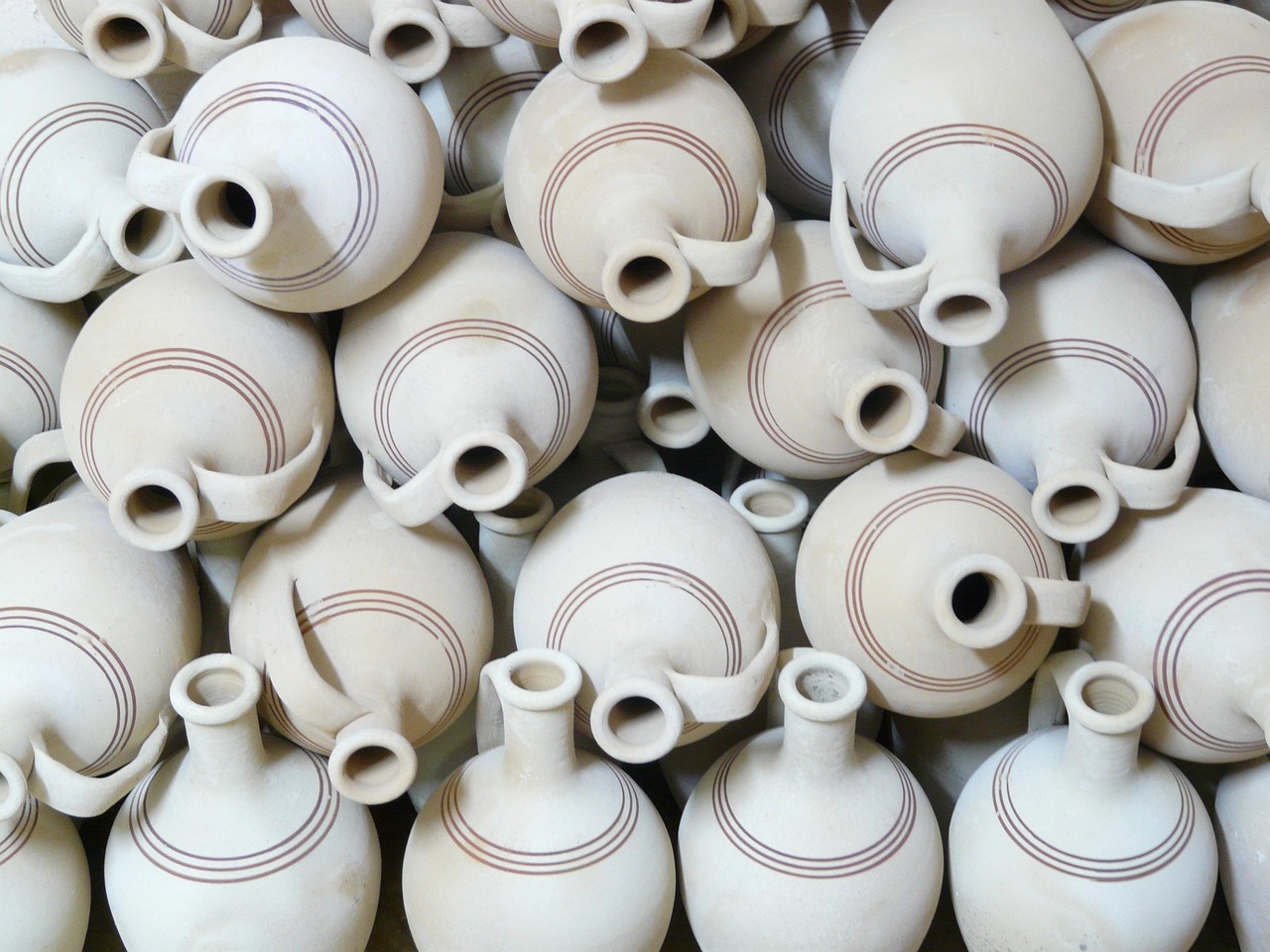
Most ceramic production routes follow a sequence of material preparation, forming, drying or binder removal, thermal processing, finishing, and inspection. The U.S. EPA’s AP-42 chapter on ceramic products manufacturing and training material from the American Ceramic Society both describe these stages as central to industrial ceramic production, although the exact route varies by product family.
- Raw material selection and batching. Clay minerals, feldspar, silica, alumina, zirconia, silicon carbide, silicon nitride, fluxes, colorants, binders, plasticizers, and dispersants are weighed to a controlled recipe.
- Comminution, mixing, and conditioning. Milling reduces particle size, mixing distributes ingredients, and water or organic additives adjust plasticity, flow, or pressing behavior.
- Forming. The prepared body is shaped by pressing, extrusion, slip casting, injection molding, tape casting, additive manufacturing, or another method.
- Drying and debinding. Water and organic binders must be removed gradually enough to avoid cracking, blistering, bloating, or warping.
- Firing or sintering. Heat causes chemical reactions, vitrification, densification, grain growth, or bonding between particles. This is where many final ceramic properties are created.
- Finishing and inspection. Grinding, polishing, glazing, machining, sorting, testing, and packaging complete the production route.
The practical point is that ceramic manufacturing works as a chain. A poor powder lot, an uneven moisture profile, or an aggressive firing curve can create defects that final inspection cannot repair.
Raw materials determine the process window
The term “ceramic” covers a wide range of materials, so process design starts with the ceramic body. Traditional ceramics such as brick, tile, tableware, and sanitaryware often use clay-based systems. Advanced ceramics may use high-purity alumina, zirconia, silicon carbide, silicon nitride, ferrites, piezoelectric compositions, or other engineered powders.
Material choice affects almost every manufacturing decision. Clay bodies can be plastic and suitable for extrusion or jiggering. Spray-dried powders can flow into dies for uniaxial pressing. Fine technical ceramic powders may require tight control of particle size distribution, agglomeration, dispersant chemistry, binder content, and contamination. Non-oxide ceramics may also need more specialized atmospheres or sintering aids than common oxide ceramics.
Several material variables are especially important:
- Particle size distribution. Fine particles can improve sintering activity, but they can also increase shrinkage, handling sensitivity, and dust-control requirements.
- Moisture content. Too much variation can change forming pressure, green strength, drying behavior, and fired dimensions.
- Binder and additive package. Additives help forming, but they must be removed without leaving carbon, voids, or bloating defects.
- Impurities. Iron, alkalis, carbonates, and other constituents may affect color, melting behavior, thermal expansion, or gas generation during firing.
- Reactivity and phase development. Some ceramics depend on high-temperature reactions, while others mainly densify a preselected powder composition.
For that reason, raw material testing is more than a purchasing task. It is a process-control function that connects the mine, powder supplier, batch room, forming line, kiln, and final inspection area.
Common forming methods and where they fit
Forming gives the ceramic its initial geometry, but the “green” part is not yet a finished product. It is fragile, dimensionally unstable compared with the fired body, and usually oversized to allow for drying and firing shrinkage. The best forming method depends on production volume, geometry, tolerance, surface finish, material behavior, tooling cost, and downstream firing constraints.
| Forming method | Typical fit | Main advantage | Key limitation |
|---|---|---|---|
| Dry pressing | Tiles, simple technical ceramic shapes, ferrites, wear parts | High productivity and repeatability for compact shapes | Density gradients and tooling wear can affect fired dimensions |
| Extrusion | Bricks, tubes, honeycombs, rods, profiles | Efficient for continuous shapes with constant cross-sections | Requires controlled plasticity and careful drying |
| Slip casting | Sanitaryware, tableware, complex hollow shapes | Good for complex shapes and smooth surfaces | Cycle time can be slower than pressing |
| Injection molding | Small complex technical ceramic parts | Near-net shaping for detailed geometries | Binder removal can be slow and defect-sensitive |
| Tape casting | Substrates, multilayer ceramics, electronic ceramics | Produces thin, controlled ceramic sheets | Requires stable slurry and drying control |
| Ceramic additive manufacturing | Prototypes, lattices, complex advanced ceramic components | Design freedom beyond conventional tooling | Post-processing and densification remain critical |
Dry pressing is often chosen when output volume and dimensional repeatability matter. Extrusion is practical when the same cross-section can be produced continuously. Slip casting remains useful for shapes that are difficult to press. Injection molding can produce intricate technical ceramic components, but it shifts much of the difficulty into feedstock preparation and debinding. Tape casting is specialized, but it is essential for many electronic and multilayer ceramic structures.
Drying, firing, and sintering create the final structure
Drying is one of the most underestimated steps in ceramic manufacturing. Moisture leaves the surface first, while the interior may remain wet. If the gradient is too steep, stresses develop and cracks can form before the part reaches the kiln. Large sanitaryware, extruded clay products, and dense castables are especially sensitive because their geometry or low permeability can make moisture removal uneven.
After drying, many ceramic bodies go through burnout or debinding. Organic binders, lubricants, plasticizers, and pore formers must decompose and leave the body. If gases are generated faster than they can escape, the result may be blisters, delamination, bloating, black coring, or internal voids. Heating rates, airflow, atmosphere, and hold times can therefore be just as important as peak temperature.
Firing and sintering then transform the green body into a ceramic product. In clay-based ceramics, firing may drive off remaining chemically bound water, burn out organics, form glassy phases, and create a hard vitrified structure. In many advanced ceramics, sintering bonds powder particles and reduces porosity, often below the melting point of the main ceramic phase. The American Ceramic Society describes sintering as a core heat-treatment route, while NIST research on advanced ceramic processing emphasizes that post-processing densification is essential for useful ceramic parts, especially in additive manufacturing routes.
Three controls dominate firing outcomes:
- Thermal profile. Ramp rates, soak times, peak temperature, and cooling rates affect shrinkage, phase formation, residual stress, and warpage.
- Atmosphere. Oxidizing, reducing, inert, or vacuum conditions can alter color, chemistry, grain-boundary phases, and non-oxide ceramic behavior.
- Kiln loading. Stack density, setter material, spacing, and airflow influence temperature uniformity and part-to-part variation.
The finished dimensions are therefore not determined only by the forming die or mold. They result from powder packing, green density, moisture removal, burnout, sintering shrinkage, and kiln uniformity working together.
Quality control is built into the route, not added at the end
Inspection after firing is necessary, but it is not enough. Ceramic defects often start several steps before they are visible. A small agglomerate in a slurry, uneven die fill, localized binder concentration, or fast drying cycle can become a crack, blister, distortion, or strength failure after firing. Effective quality control places checks at multiple points in the process. See also: cnc and robotics.
Common control points include incoming raw material chemistry, particle size, moisture, slurry viscosity, spray-dried granule flow, forming pressure, green density, drying weight loss, kiln temperature distribution, fired shrinkage, color, flatness, strength, porosity, and surface defects. The right tests depend on product class. For example, ASTM C373 is commonly associated with water absorption, bulk density, apparent porosity, and apparent specific gravity for fired whiteware products and ceramic tiles. ASTM C1161 addresses flexural strength testing for advanced ceramics at ambient temperature. ISO 9001 requirements are not ceramic-specific, but they provide a recognized framework for managing documented quality systems across manufacturing organizations.
Good plants also separate product inspection from process capability. Product inspection asks whether a batch passed. Process capability asks whether the same result can be repeated tomorrow, with a new lot of powder, a different kiln car position, or a longer production run. That distinction matters because ceramics are often brittle; reliability depends heavily on flaw control rather than plastic deformation after overload.
Safety and environmental controls affect process design
Ceramic manufacturing can involve respirable dust, high-temperature equipment, combustible binders, mechanical presses, glaze ingredients, kiln emissions, and ergonomic risks. OSHA identifies manufacturing of ceramic products as one of the activities that can generate respirable crystalline silica exposure. Its general industry and maritime silica standard has been enforced since June 23, 2018, and requires covered employers to limit exposure and take protective measures where the standard applies.
From a process-design perspective, dust control is not only a compliance issue. Dust losses can change batch consistency, create housekeeping problems, and increase maintenance demands. Practical controls may include enclosed conveying, local exhaust ventilation, wet methods where appropriate, filtered collection systems, housekeeping procedures, exposure monitoring, and respiratory protection programs when required.
Thermal processing also affects energy use and emissions. The U.S. Department of Energy has described process heating as a major target for industrial efficiency work and notes that waste heat, electrification, and alternative heat-delivery methods are important areas of development. In ceramics, the relevance is direct: dryers, kilns, furnaces, and thermal oxidizers can dominate operating cost and create production bottlenecks. However, changes to firing technology must be validated carefully because the heat profile affects microstructure, color, warpage, shrinkage, and strength.
Where ceramic manufacturing is changing
The most visible changes in ceramic manufacturing are not replacing the basic process flow. They are improving how each step is measured, modeled, and controlled. NIST has highlighted ceramic additive manufacturing, including direct ink writing and vat photopolymerization, as research areas where process metrology and sintering science are important. The attraction is clear: additive methods can create shapes that are difficult or expensive to mold, press, or machine. The limitation is also clear: most printed ceramic parts still need drying, debinding, and densification before they can perform as engineering ceramics.
Advanced sintering is another active area. Field-assisted sintering, microwave heating, cold sintering, flash sintering, and other approaches are studied because conventional firing can be slow and energy intensive. These techniques may reduce time or temperature for selected materials, but they are not universal drop-in replacements. A method that works for a small lab specimen may need significant validation before it can deliver repeatable density, strength, and dimensional accuracy in production.
The more immediate industrial opportunity is often better measurement. Real-time moisture monitoring, powder characterization, kiln mapping, statistical process control, and defect feedback loops can reduce scrap without changing the product design. For manufacturers, the practical question is not whether a technology is new. It is whether it can control the specific defect, tolerance, cost, or capacity constraint that limits the current line.
Frequently asked questions
What are the main steps in ceramic manufacturing?
The main steps are raw material selection, batching, milling or mixing, forming, drying, debinding when organic additives are present, firing or sintering, finishing, and inspection. The exact route depends on whether the product is a clay-based ceramic, a tile, a sanitaryware item, an electronic ceramic, or an advanced technical ceramic.
Why do ceramic parts shrink during firing?
Ceramic parts shrink because particles pack more closely and pores are reduced during drying, vitrification, and sintering. The amount of shrinkage depends on material composition, particle size, green density, binder system, firing schedule, and kiln atmosphere. Tooling and green dimensions must account for this expected change.
Is additive manufacturing replacing conventional ceramic forming?
No. Ceramic additive manufacturing is valuable for complex shapes, prototypes, and selected advanced ceramic applications, but conventional pressing, extrusion, casting, and tape casting remain important for high-volume production. Printed ceramic parts also usually require careful post-processing and sintering.
What causes common ceramic defects?
Common causes include inconsistent raw materials, poor mixing, agglomerates, uneven moisture, trapped air, density gradients, rapid drying, incomplete binder burnout, nonuniform kiln temperature, overfiring, underfiring, and handling damage. Many fired defects begin earlier in the process, so prevention is usually more effective than final sorting.
How is quality measured in ceramic manufacturing?
Quality may be measured through dimensional checks, visual inspection, density, water absorption, porosity, strength, hardness, thermal behavior, electrical properties, surface finish, and application-specific tests. The relevant test plan should match the product’s function rather than rely on a generic checklist.